Educational overview only. Prudent Guardian (www.inspirecodingedu.com) is not an insurance company, broker, law firm, or registered investment adviser, and does not provide personalized insurance, investment, tax, medical, or legal advice. Verify details with licensed professionals and official issuers.
You squeeze the tire in the hall. It gives more than it did yesterday. Your backpack slumps off one shoulder as you lean in, pressing harder with the pad of your thumb to confirm the give isn’t just a trick of the dim overhead hall light, which flickers every time the elevator down the hall opens and closes. No, the rubber sinks nearly a quarter inch before it pushes back, far softer than the firm, taut feel you’re used to when you grab your bike for the morning commute. You don’t have time to fix it fully before your dinner plans with your roommate across town, so you only grab the small hand pump tucked in the bike’s frame bag to handle the quick check and top-up before you head out.
Pressure Gauge Check on the Hand Pump
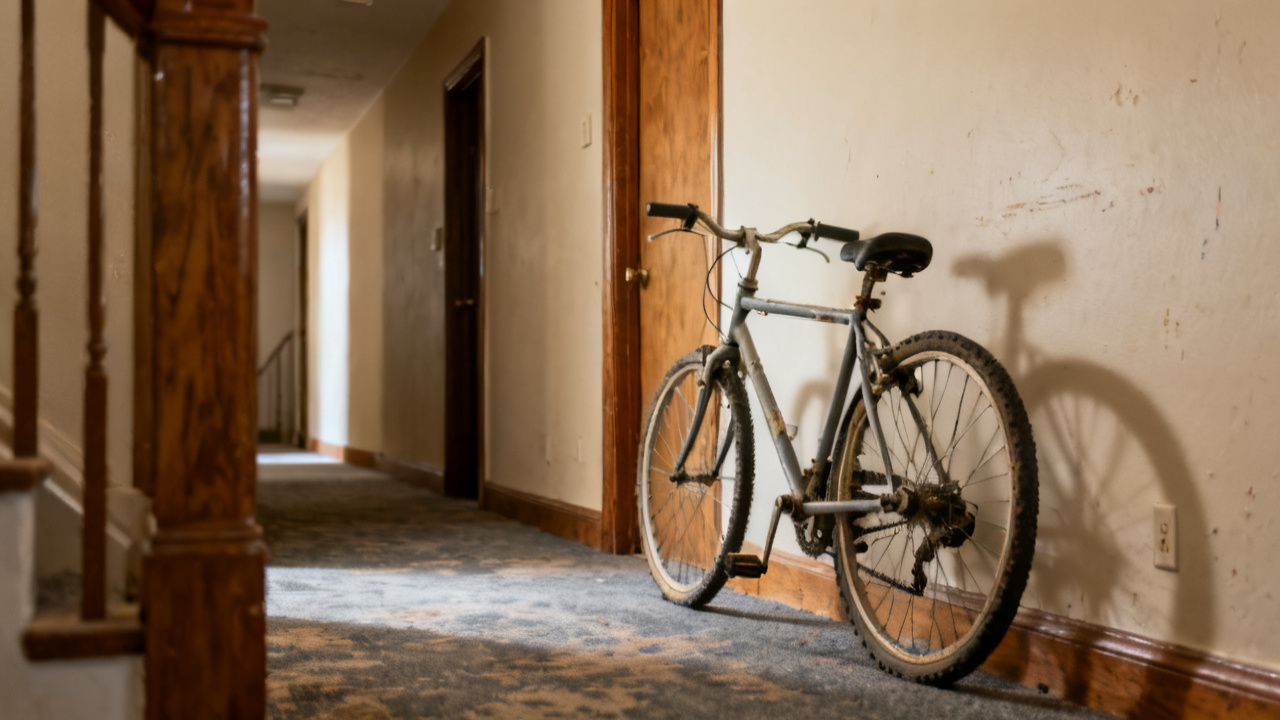
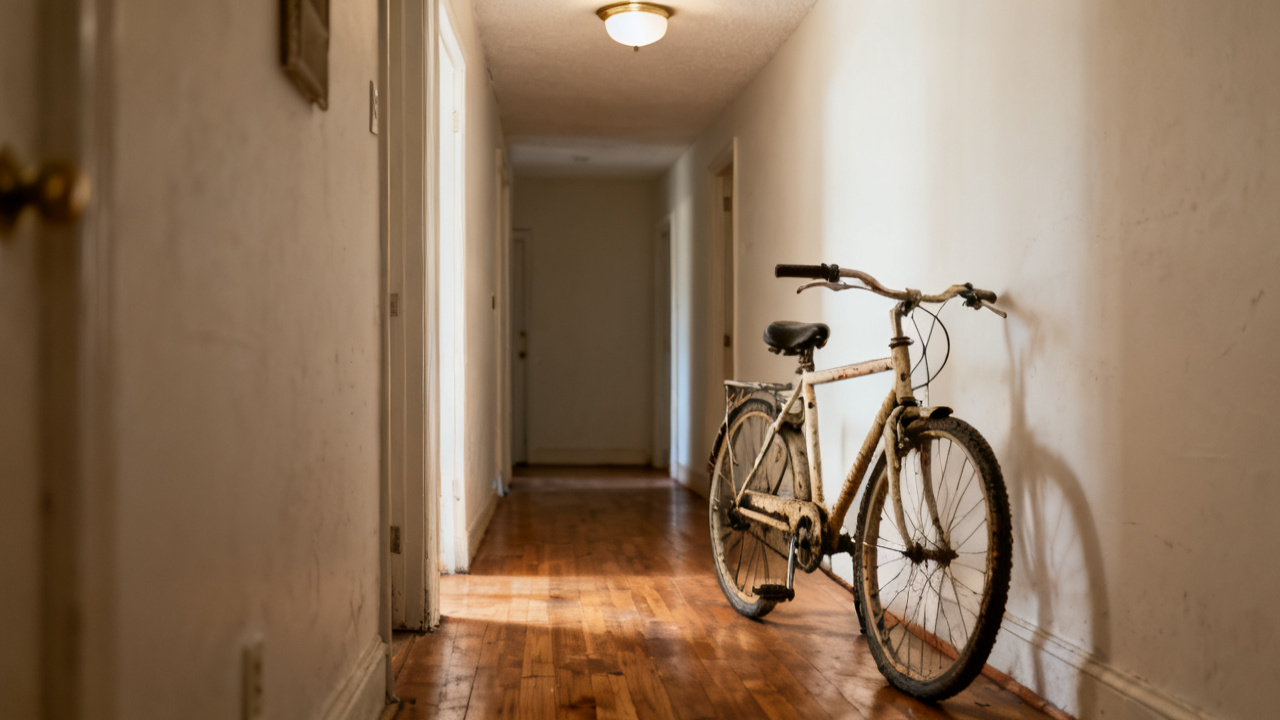
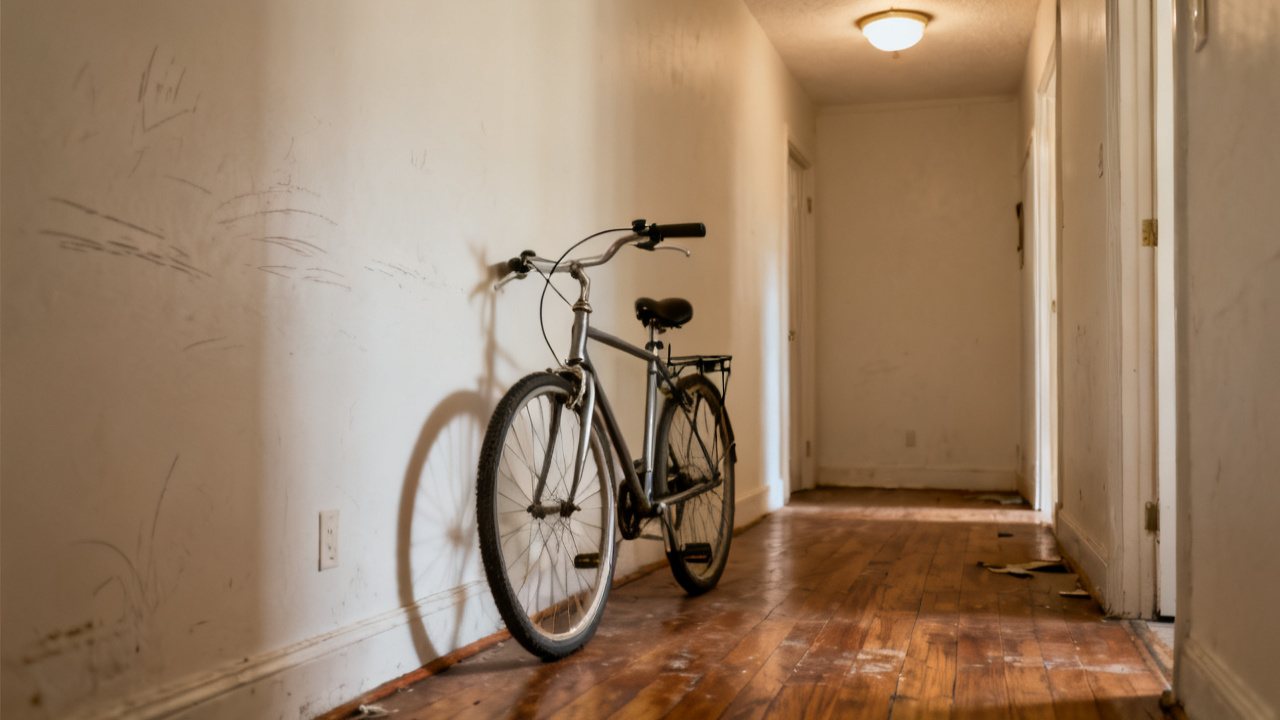
You flip the pump over in your palm to look at the small analog gauge stuck to its side, dusting off the fogged plastic cover that’s smudged with hall dust, stray coffee splatter, and rain spots from last week’s surprise downpour on your way home from work. You remember the recommended PSI for this front tire is printed in small white text on the inner sidewall, between 38 and 45 PSI, so you first confirm the gauge’s zero mark lines up correctly when no air is moving through its chamber, twisting the gauge’s face slightly to make sure it hasn’t shifted out of place from being jostled in the frame bag over the last few weeks. You twist the small plastic nozzle cap off the end of the pump to make sure there’s no compacted dirt or small gravel clogging the opening that would keep air from flowing smoothly into the tire’s valve, blowing gently into the nozzle to dislodge a tiny fleck of dry leaves you spot tucked just inside the opening. The Hallway Bike sits propped against the cinder block wall next to your unit, its kickstand sunk a little into the scuffed, off-white linoleum tile that’s dotted with scuff marks from hundreds of shoes moving up and down the hall every week. You give the pump’s handle a few quick test pumps with the nozzle pressed against your palm to confirm air flows through easily, no blockages or stiff spots in the pump’s internal plunger that would make the job take longer than you have time for right now.
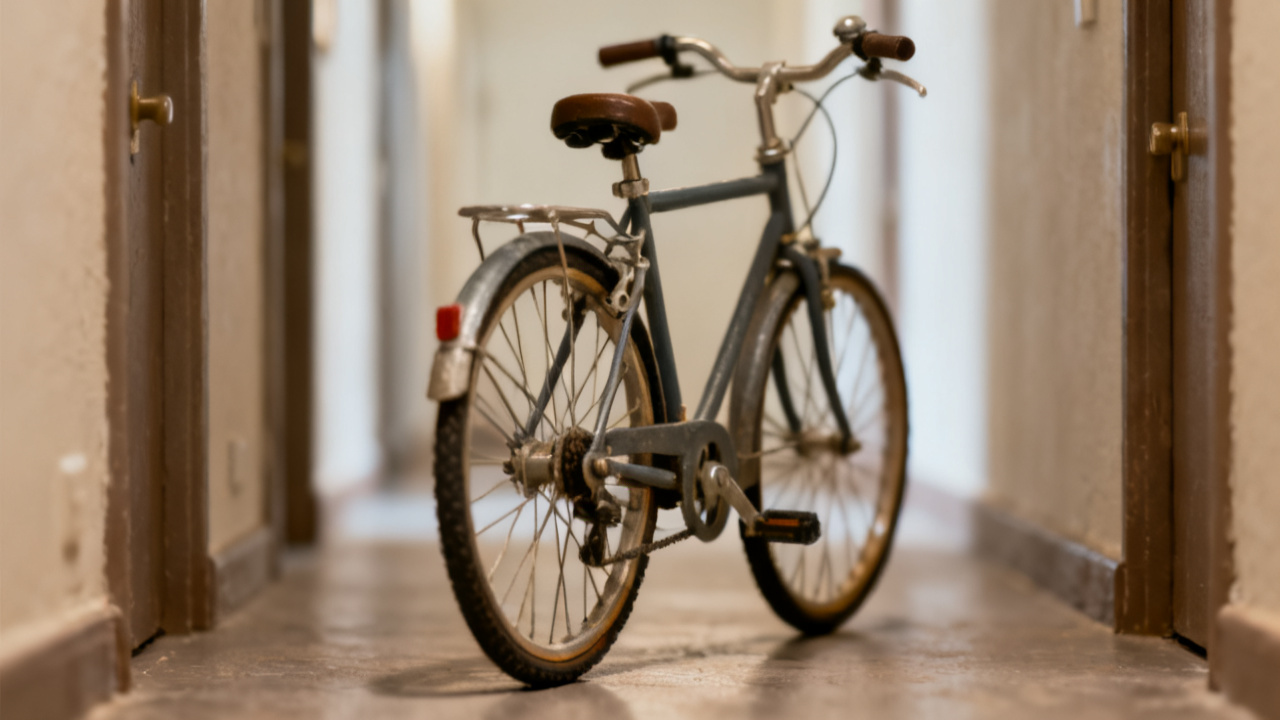
Quick Inflation Using the Hand Pump
You line the pump’s nozzle up with the tire’s presta valve, making sure you don’t bend the thin metal valve stem as you lock the connection into place, following these simple steps to avoid wasting air or damaging the tire:
- Line the pump’s nozzle up straight with the tire’s presta valve, pushing down firmly until you hear a faint hiss of escaping air that stops as soon as you lock the nozzle’s lever into the upright position.
- Hold the base of the pump steady with one foot planted on the hall floor, your weight shifted slightly to keep the bike from tipping as you pull the pump handle all the way up to draw air into the chamber.
- Push the handle down firmly in one smooth motion, watching the gauge climb as air flows into the tire, pausing every three strokes to squeeze the tire with your thumb to gauge the firmness against your memory of its ideal feel.
- Stop pumping when the gauge hits the middle of the recommended range, then flip the nozzle lever back down before pulling it straight off the valve to avoid letting excess air escape.
- Twist the valve’s small plastic cap back into place to keep dirt and moisture from getting trapped in the opening between rides.
Illustrative example: The gauge will settle at 41 PSI once you stop pumping, right in the middle of the 38 to 45 PSI range printed on your tire sidewall, so you don’t have to release any air to adjust the pressure.
You don’t worry about hunting down a leak right now, since you only have 15 minutes before you need to catch the bus across town, and a small slow leak won’t deflate the tire enough to cause issues for the short ride to the bus stop you plan to take tomorrow morning. You know this top-up may not hold for more than a few days if there’s a tiny puncture from a piece of glass you ran over last week that you haven’t spotted yet, so you don’t count on it being firm enough for a 10-mile trail ride without a second check.
Safe Storage of the Hand Pump
You wipe the pump’s handle off with the edge of your hoodie to get rid of the faint layer of hall grime that stuck to it while you were pumping, brushing off a few stray crumbs that fell out of your backpack pocket earlier in the week when you pulled your keys out. You tuck it back into the neoprene frame bag mounted to the bike’s top tube, zipping the bag closed all the way to keep it from falling out when the bike gets jostled by a neighbor passing through the narrow hall with a stack of moving boxes. You double-check that the bag’s zipper pull is tucked under the small elastic loop sewn to the bag’s edge, so it doesn’t rattle against the frame when you ride over bumpy side streets or cracked sidewalks on your way to work. You give the tire one last quick squeeze to confirm it’s firm now, pushing back only slightly under your thumb the way it’s supposed to, then push the bike back an inch so it’s not sticking out into the walkway where someone carrying a stack of takeout boxes or a load of laundry could trip over the front wheel. You don’t prop any extra items against it, like the stack of Amazon boxes your neighbor left by the wall earlier, since that could put unnecessary pressure on the tire or knock the wheel out of alignment before you check it again.
Scheduled Tire and Pump Check Before Your Weekend Trail Ride
You mark the check-in in your phone’s calendar for 10 minutes before you’re supposed to meet your friend at the local trailhead next Saturday, so you don’t forget to squeeze the tire again before you head out. You’ll pull the pump out of the frame bag again at that point, check the gauge for accuracy, and top up the air if the tire has softened even a little bit over the week. If the tire is significantly softer than it is right now, you’ll know there’s a slow puncture that needs patching before you take it on a longer ride, and you can grab the patch kit you keep in your kitchen junk drawer to handle that repair when you have 20 minutes to spare at home. You don’t need to do any additional checks before then, as the tire is firm enough for short trips to the corner store if you need to pick up snacks or coffee between now and then, and you can do a quick squeeze check any time you pass the bike in the hall without pulling the pump out. You also make a mental note to check the rear tire at the same time, since it tends to lose pressure a little faster than the front from carrying the bulk of your weight on every ride, and you’ll run your hand along both tire sidewalls to look for small pieces of glass or gravel that might be stuck in the rubber and causing slow leaks. You’ll also check the pump’s nozzle for clogs at that next check-in, since dirt from the hall or the trail can build up quickly and keep the pump from working when you need it most. If you bring the pump with you on the trail ride, you’ll tuck it into your backpack instead of the frame bag to keep it from getting covered in mud or dust on the dirt paths.