Educational overview only. Prudent Guardian (www.inspirecodingedu.com) is not an insurance company, broker, law firm, or registered investment adviser, and does not provide personalized insurance, investment, tax, medical, or legal advice. Verify details with licensed professionals and official issuers.
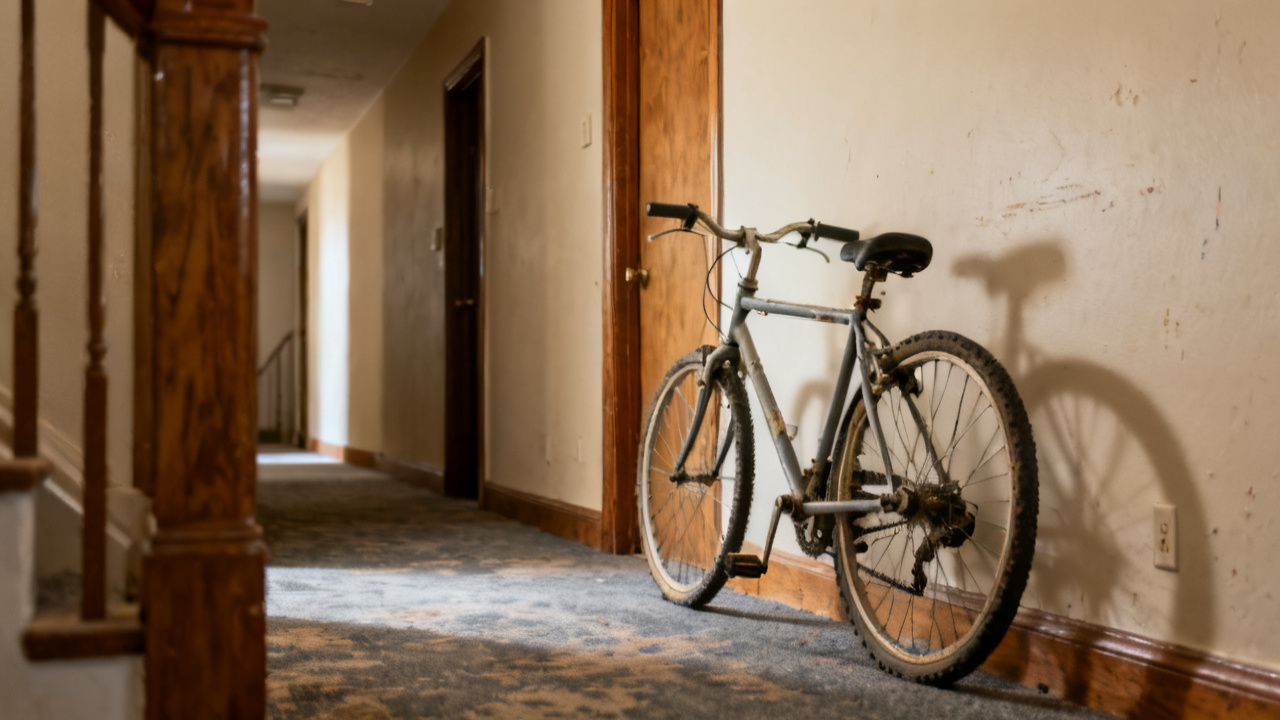
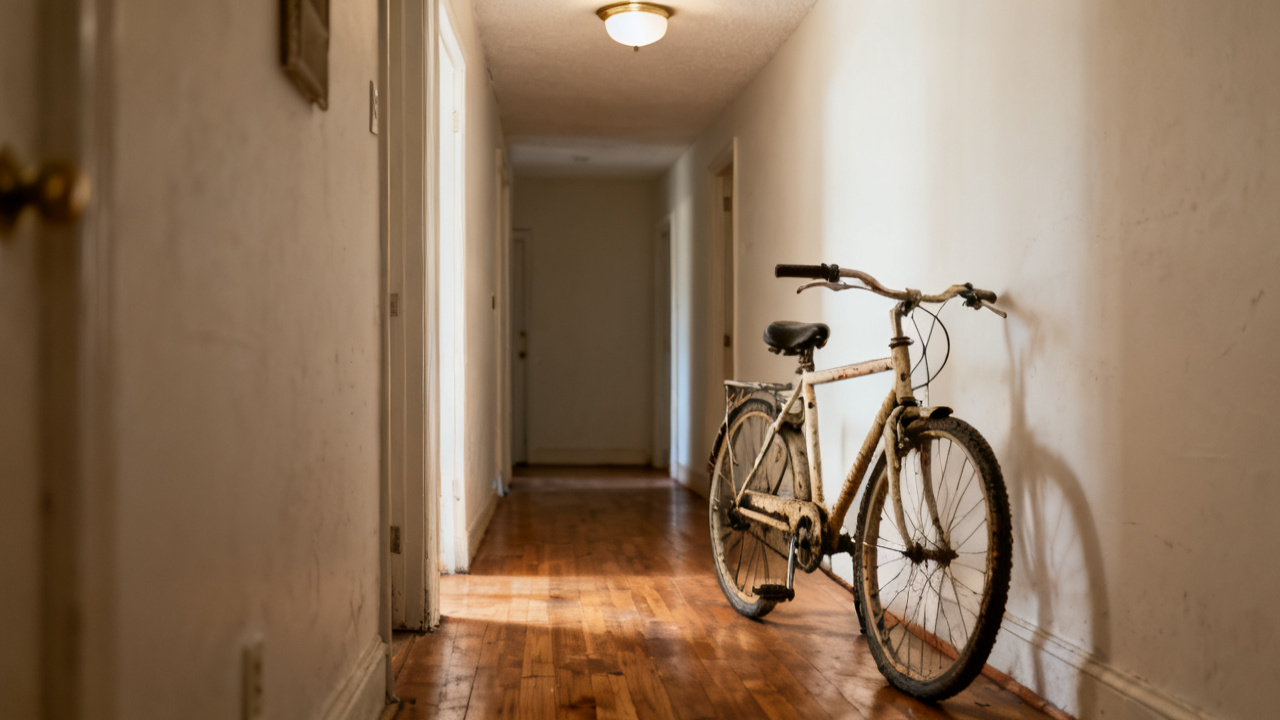
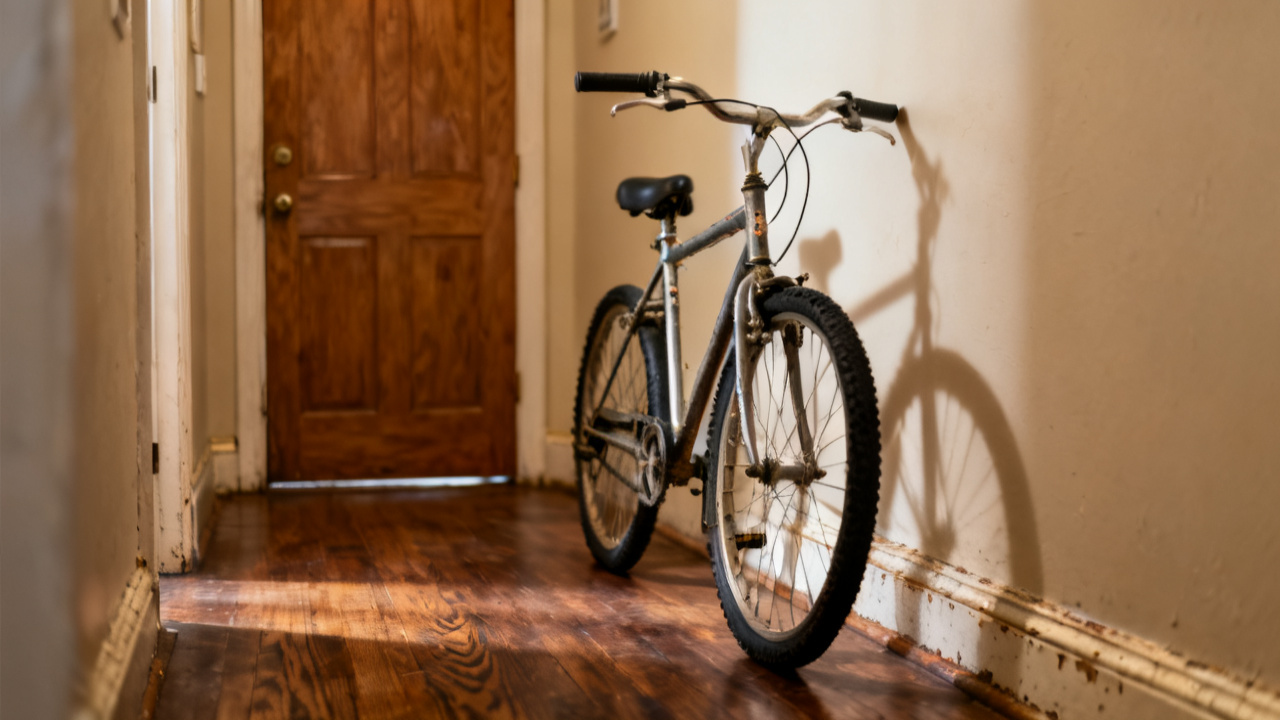
One wheel is off the bike. The other tire is still on. You’re kneeling on the scuffed linoleum outside your third-floor unit, a half-empty tube of tire sealant tucked in your hoodie pocket, and the loose wheel leans against the base of the mail stand. The leak you fixed on the front tire took 10 minutes longer than you thought, and you almost toss the wheel back on to head out for your evening errand before you remember the weird bump you felt on the back tire three rides ago.
Evaluate the uninspected rear tire
You have two clear choices right now, no middle ground to waste time debating. The first is to pop the front wheel back into the fork, tighten the quick release skewer, toss your tools back into your apartment, and head out the door to pick up the takeout you ordered 20 minutes ago. The second is to spend 5 extra minutes running a quick check on the rear tire while all your gear is already spread out on the hallway floor, no extra setup required. This Hallway Bike has carried you to work, grocery runs, and weekend trail rides for two years, so small, regular checks go a long way to avoid unexpected breakdowns that leave you stranded several miles from home. You weigh the tradeoffs for 10 seconds: if you skip the check, you might get your food 5 minutes faster, but if the bump you felt was a piece of embedded debris, you could end up walking home in the dark with a flat rear tire, cold food, and sore feet. If you run the check, you lose 5 minutes at most, and you eliminate a known risk you’ve already noticed during past rides.
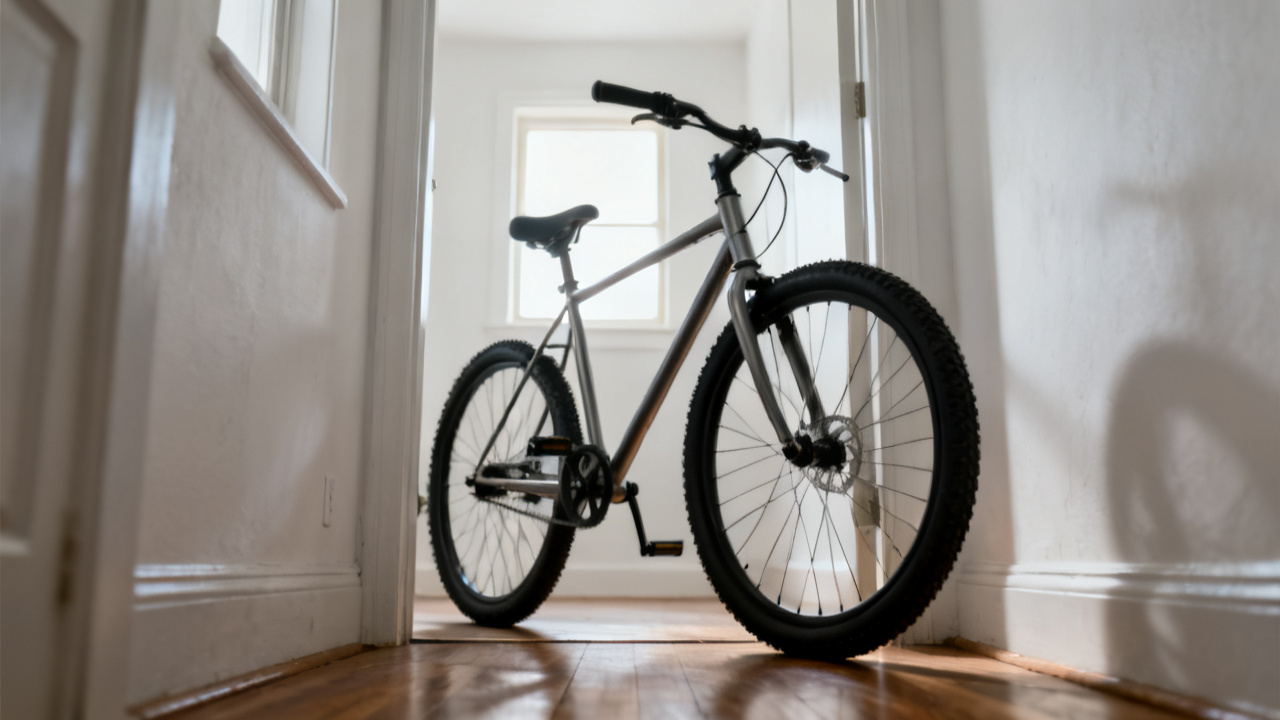
Select the faster, higher-payoff task
You choose to run the quick rear tire check, no further deliberation needed. The cost of skipping it is far higher than the small amount of time it takes to run your hand over the tread and spot any obvious issues. You already have your work gloves, tire levers, and phone flashlight out from the front tire repair, so you don’t have to run back inside to grab anything extra. The bump you felt three rides ago lingered for three full blocks, even after you crossed over smooth asphalt, so you suspect there’s a small piece of glass or metal stuck in the tread that hasn’t worked its way all the way through to the inner tube yet. Illustrative example: 60% of urban bike flats happen within 10 rides of a small piece of debris becoming stuck in the outer tire tread, even if it doesn’t cause an immediate leak. You know you’ve put 7 rides on the bike since you felt that bump, so you’re already well within the window where that debris could poke a hole in the tube at any moment, with no warning. You don’t want to risk that happening when you’re 2 miles from home, carrying a bag of hot noodle soup that will spill all over your bag if you have to walk the bike back.
Run the quick flat-prevention check now
You don’t even have to take the rear wheel off to run this basic check, which cuts down on the time even more. Follow these steps to cover all the most common risk factors in under 5 minutes:
- Prop the bike upright against the hallway handrail so the rear wheel spins freely, shifting it into the highest gear to keep the chain loose and out of your way as you work.
- Run your gloved thumb slowly along the full circumference of the outer tire tread, pressing gently to feel for embedded glass, thorns, or small metal shards that sit just below the surface, not yet visible to the naked eye.
- Shine your phone flashlight along the inner edge of the tire and the rim to check for worn tread, cracked sidewalls, or bent spokes that could rub a hole in the inner tube over time, even if there’s no debris stuck in the tread.
- Wipe away any accumulated dirt or road grime from the tire valve stem, then give it a small twist to make sure it is seated firmly in the rim and not leaking slow air that will leave the tire soft halfway through your next ride.
- Add 5 to 10 PSI of air to the rear tire if it feels soft under your palm, matching the recommended pressure range printed on the side of the tire wall to reduce the risk of pinch flats when you ride over potholes or curbs.
Halfway through step 2, you feel a tiny, sharp edge sticking out of the center of the tread, and you pluck it out with the tip of your tire lever: it’s a shard of tempered glass, the size of a grain of rice, stuck just deep enough that it would have poked through the inner tube on your next ride over a rough stretch of road. You run your thumb over the spot again to make sure there are no other bits of debris stuck there, then finish the rest of the steps in 2 minutes flat. You grab a small sticky note from your hoodie pocket (you keep a stack there for leaving notes on your door for your roommate) and jot a quick reminder on it, sticking it to the center of the handlebar so you see it when you grab the bike later. The note says “Rear tire: small glass pulled, check tread again after 5 more rides” so you don’t forget to follow up if you feel any more weird bumps. You don’t guarantee that the tire won’t go flat at some point in the future, but you know you eliminated the most immediate, obvious risk that was waiting to cause a problem.
Schedule your next full tire service
You set a reminder on your phone for three weeks from today, which is when you plan to do your full pre-winter bike maintenance before the first frost hits. That is your next scheduled tire check job, where you will take both wheels off completely, inspect the inner tubes for slow leaks that you can’t spot with a quick check, replace the rim tape if it’s worn or peeling, and swap out the current all-season treads for thicker, snow-resistant winter tires that have better grip on icy roads. You block off 30 minutes in your calendar for that job, so you don’t rush it, and you add a note to the reminder to pick up a new pair of inner tubes on your next run to the bike shop, so you have them on hand if you find any small leaks during the full inspection. You know you don’t have to do any of that work today, since the quick check already addressed the immediate issue, and you can safely put the front wheel back on the bike now and head out to get your takeout with far less risk of a flat mid-trip. You toss your tools back into the small storage bin by your front door, tighten the front wheel’s quick release skewer, and pull the sticky note off the handlebar to stick to your fridge instead, so you don’t lose it before your next ride. The hallway is clear of debris when you leave, no stray tire levers or bits of glass left for your neighbors to step on, and your food is still warm when you get to the restaurant 7 minutes later.