Educational overview only. Prudent Guardian (www.inspirecodingedu.com) is not an insurance company, broker, law firm, or registered investment adviser, and does not provide personalized insurance, investment, tax, medical, or legal advice. Verify details with licensed professionals and official issuers.
You are locking up for twenty minutes. Both locks are on the bike. The building entrance glows just ten feet behind you, and the only other person in the hallway is a neighbor hauling groceries up to the third floor, who waves before turning the stairwell corner. You don’t have time to fumble with both locks, but you want to make sure your bike stays put while you run upstairs to grab the forgotten housewarming gift you’re bringing to a friend’s dinner. The quiet of the hall means any loud tampering would draw eyes from the front desk attendant just through the glass entryway, who you see flipping through a magazine at their station.
Visible anchor and bike contact points
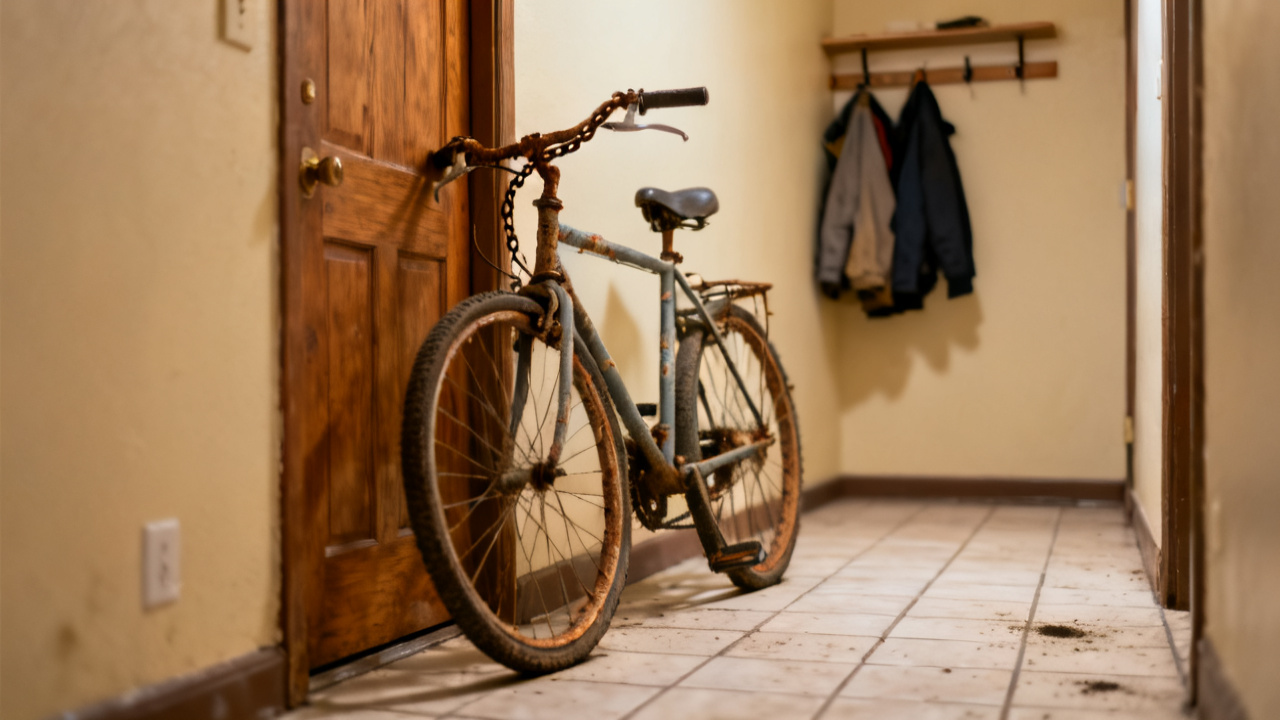
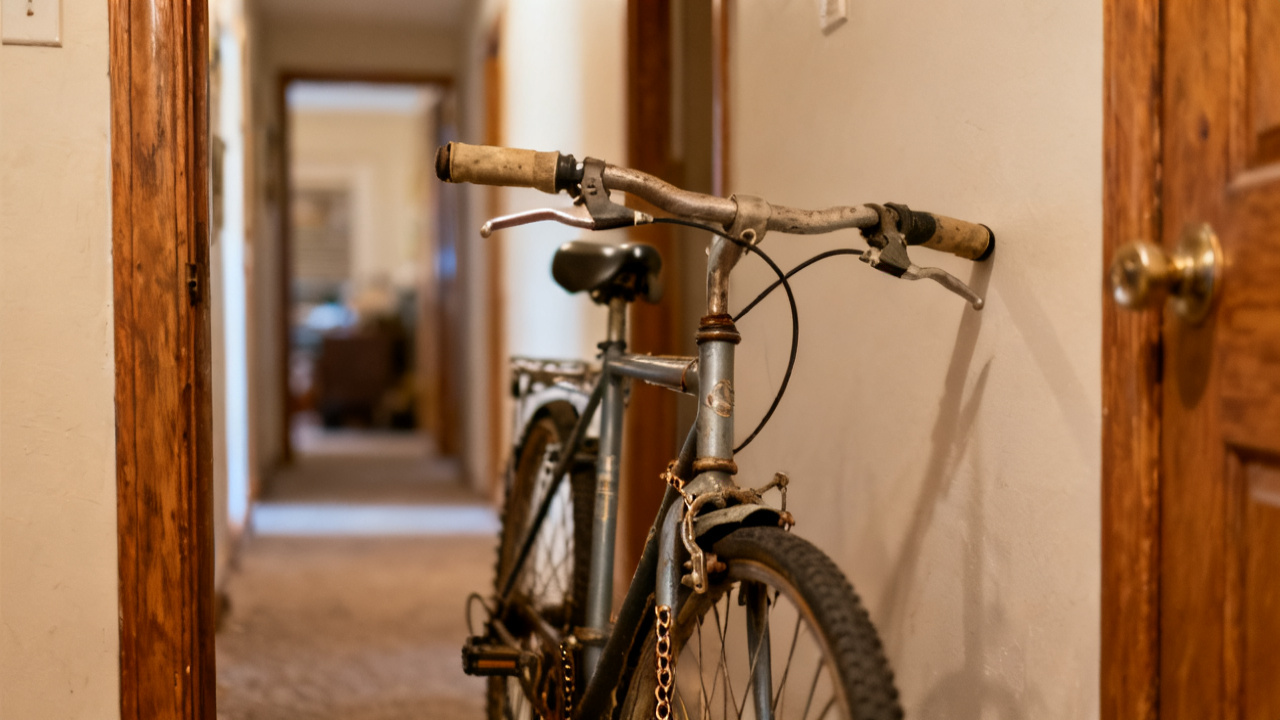
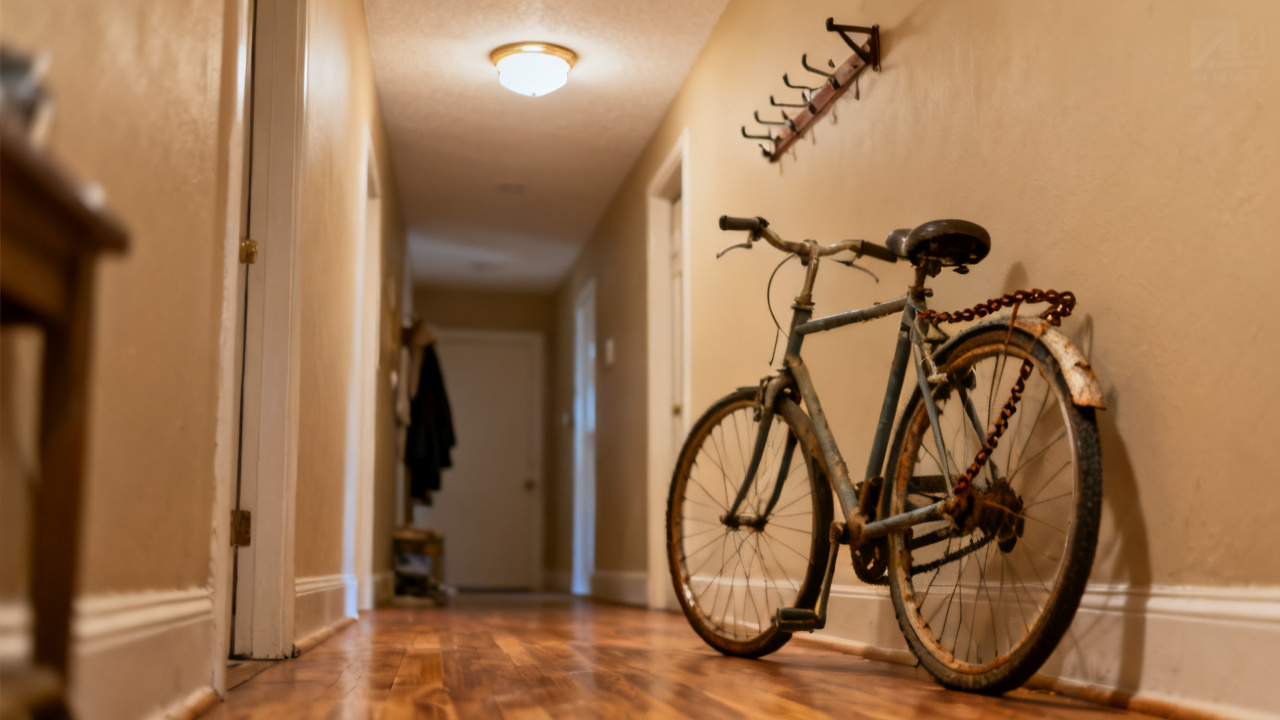
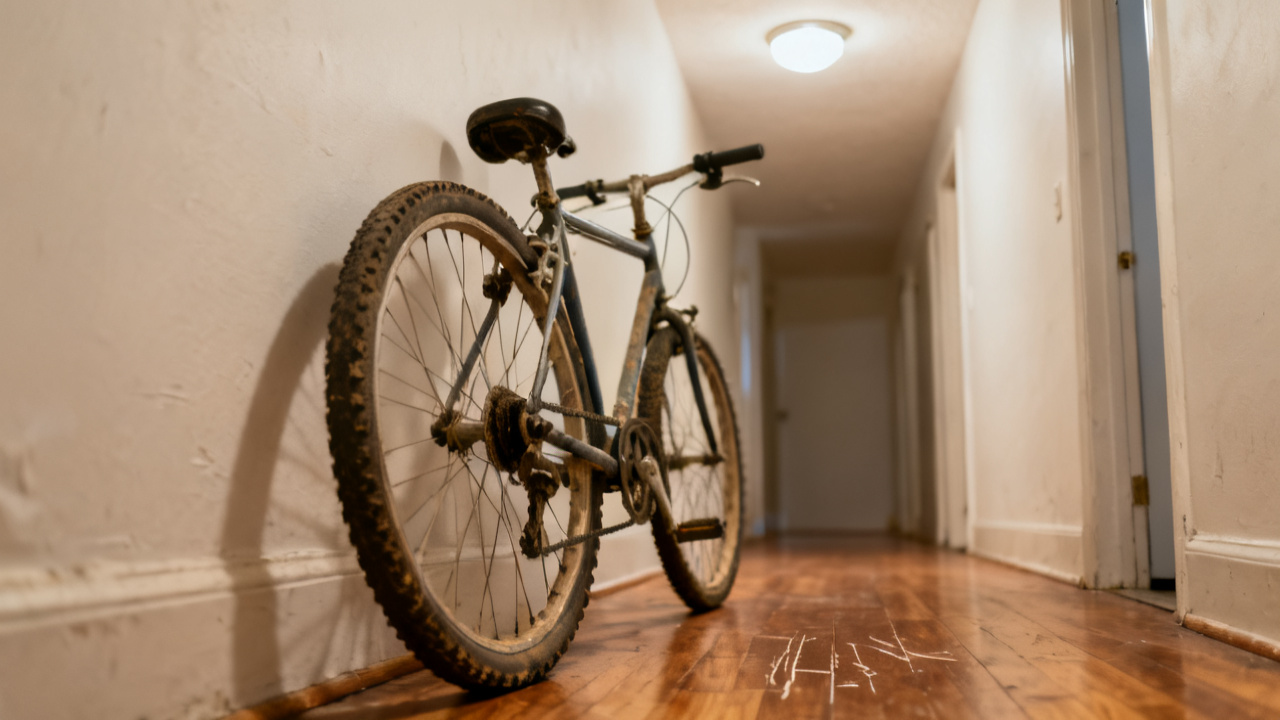
You glance first at the heavy powder-coated steel anchor bolted into the cinder block wall across from the mailboxes, giving it a quick, firm tug to confirm it doesn’t wiggle or shift. No rust spots run along its base, and the gap in its center is wide enough to fit your U-lock without forcing it, so you won’t scratch the lock’s exterior while you thread it through. Next, you scan your bike’s key contact points: the reinforced aluminum down tube that runs from the handlebars to the pedals, the rear quick-release wheel that would take two seconds to pull free if not secured, and the seat post you tightened with an Allen key last weekend so it can’t be yanked out without tools. Hallway Bike users all target these same contact points for short stops, since they’re the hardest to snip or pry without specialized, bulky equipment that’s hard to hide in a crowded residential building. You also note the wide-angle security camera mounted directly above the anchor, its small LED light glowing red to confirm it’s actively recording. The property manager stores that footage for 30 days, and there are no blind spots that would let someone work on a lock for more than a few seconds without being captured on tape. The only other bikes parked nearby are a rusted beach cruiser that’s been abandoned for three weeks and a kid’s neon green balance bike with training wheels, no signs of scratch marks or broken locks on either to indicate recent theft attempts in the area.
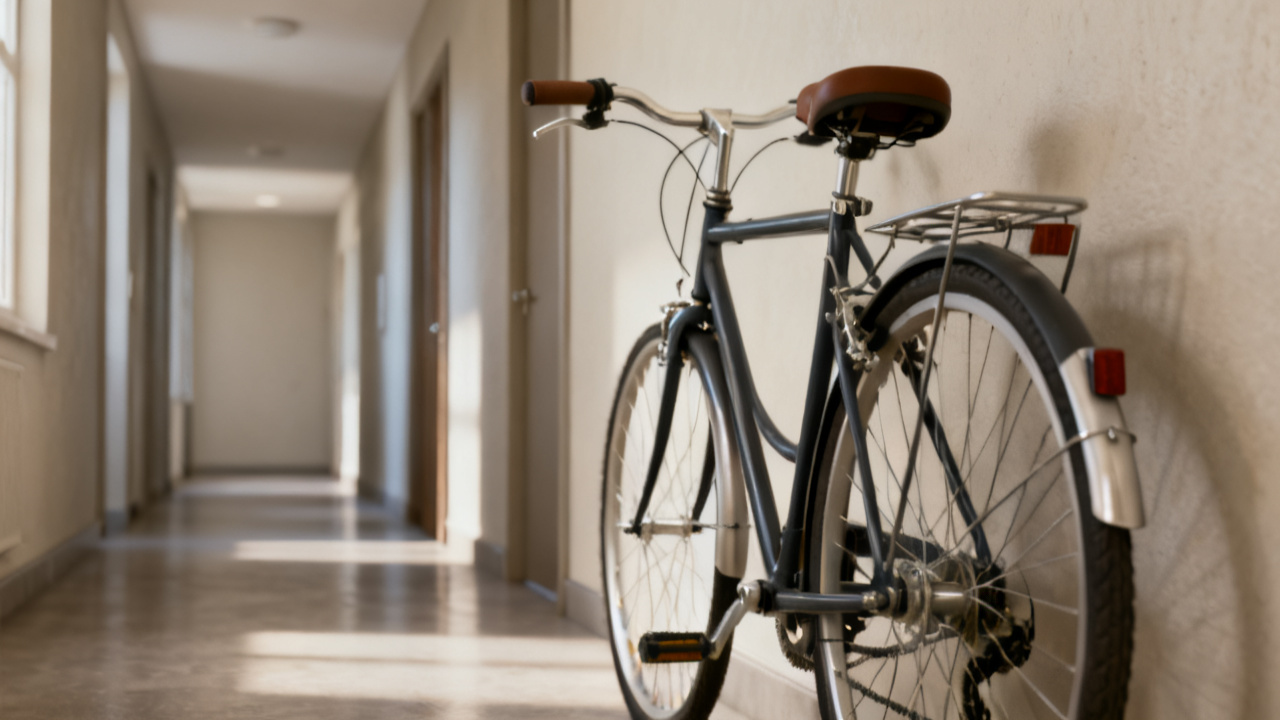
Lock combination you choose for this short stop
You skip the cable lock for this stop, since the short time you’ll be gone and the active security measures make the extra layer unnecessary, and reach for the U-lock mounted to your seat tube. You follow these four quick steps to secure it properly:
- First, pull the U-lock out of its rubberized mount, checking that the key is already inserted in the lock cylinder so you don’t have to dig through your backpack for your keychain when you return.
- Loop the U portion of the lock through the wall anchor first, then slide it through the spokes of the rear quick-release wheel and around the thick down tube of your bike, adjusting the position so there’s less than an inch of slack inside the U to eliminate room for a pry bar to fit between the metal bars.
- Coil the full length of the unused cable lock around your seat post, tucking its loose locking ends into the gap between the U-lock’s crossbar and your frame so it doesn’t dangle down and get caught on passing delivery carts, strollers, or dog leashes while you’re gone.
- Give the U-lock two firm, side-to-side tugs to make sure it’s fully seated in the locking mechanism, then wiggle the rear wheel and pull on the frame gently to confirm neither can be pulled free of the anchor without breaking the lock entirely.
Illustrative example: Gold-rated U-locks take 8 minutes of sustained work with a high-powered angle grinder to cut through, which is more than 3 times the length of time you’ll be upstairs grabbing your gift, so even if someone were to target your bike, they would not have enough time to break the lock before you come back down. You don’t leave the key in the lock, of course, tucking it into your jacket pocket where you can reach it easily when you return. You also make a mental note that this choice is specific to this location and this time frame, and you would adjust it if you were staying away longer or parking in an unmonitored space. No lock is completely impenetrable, but this choice balances speed and security perfectly for the current situation, so you don’t waste extra time threading the cable lock through extra parts of the frame when you’re already running late to meet your friend.
Next short stop lock choice
The next time you make a 20-minute stop, you’ll run through the same quick assessment of your surroundings before picking a lock, adjusting your choice to match the location. If you’re parking outside the busy corner coffee shop two blocks from your building, for example, which has no outdoor security cameras and frequent foot traffic from people passing through the neighborhood, you’ll use both locks for extra deterrence. You’ll still thread the U-lock through the anchor, rear wheel, and down tube first, following the same steps you used today, then run the cable lock through the front quick-release wheel and loop it around the U-lock’s crossbar to secure the second wheel as well. You’ll still check for minimal slack in the U-lock, tuck any excess cable length out of the way, and tug both locks twice to confirm they’re fully engaged before you walk away. If you’re parking in a different residential hallway with the same level of monitored security as your building, you’ll stick to just the U-lock, same as you did today, to save time when you’re in a rush. You’ll also get in the habit of checking the anchor for wiggling or rust before you lock up, no matter where you are, to make sure you’re securing your bike to a solid, immovable object that can’t be pulled free from the wall or ground. You keep both locks on your bike at all times, so you never have to choose between them because you left one at home, and you replace the U-lock every two years as the manufacturer recommends, to make sure the locking mechanism doesn’t wear out and stop engaging properly. You don’t stress about the lock choice once you make it, tucking your hands into your jacket pockets and heading for the stairwell, knowing you picked the right option for this specific stop. When you come back down in 18 minutes, the bike is exactly where you left it, the U-lock still fully engaged, no signs of tampering, so you pull the key out of your pocket, unlock it quickly, and head out for your friend’s dinner with the gift tucked in your basket.