Educational overview only. Prudent Guardian (www.inspirecodingedu.com) is not an insurance company, broker, law firm, or registered investment adviser, and does not provide personalized insurance, investment, tax, medical, or legal advice. Verify details with licensed professionals and official issuers.
The light is dead. The batteries in it look unused. You yank the plastic battery tab you thought you’d fully removed last week, twist the end cap closed again, and flick the switch once more. Still nothing. You set the light on the floor next to the stack of unopened Amazon boxes you’ve been meaning to carry up to your neighbor on the third floor, already mentally compiling a list of other small electronics you can borrow batteries from to get the hallway light working before the mail carrier comes by after dark.
Why Seemingly Unused Batteries Die Prematurely
Even batteries that still have their original factory insulation tabs intact and look completely untouched lose small amounts of charge over time due to a natural internal chemical reaction called self-discharge. This reaction is unavoidable in all consumer battery types, though it happens far slower in disposable alkaline batteries than it does in rechargeable varieties. The rate of self-discharge jumps exponentially when batteries are exposed to extreme temperatures, high humidity, or direct sunlight, all conditions that are common in shared apartment hallways that lack consistent climate control. Illustrative example: Alkaline AA batteries stored at 90 degrees Fahrenheit can lose up to 25% of their total charge in 12 months, compared to just 2% if stored at a consistent 60 degrees. That pack of “new” batteries you grabbed from the dollar store last month might have been sitting in a hot shipping container or unconditioned warehouse for years before it made it to the shelf, so it’s not unusual for half the cells to be almost fully drained before you even open the packaging. Tiny manufacturing defects can also create micro-drains that deplete batteries faster than advertised, even if they never touch a device.

How To Test Suspect Batteries Without A Multimeter
You don’t need any specialty tools or electrical knowledge to tell if the batteries you pulled from the dead hallway light are actually spent, or if the issue is a dirty connection inside the light itself. First, wipe both ends of each battery with a clean paper towel to remove any dust, dirt, or light corrosion that might be blocking the electrical connection, then reinsert them into the light and test it again. If it still doesn’t turn on, try the drop test: hold a AA or AAA battery 1 inch above the hard hallway tile, negative end facing down, and drop it gently. A fully charged battery will land with a solid, dull thud and often stay upright, while a fully or partially drained battery will bounce several times and tip over almost immediately. You can also pop the battery into a low-drain device like your apartment entry fob, TV remote, or a small kitchen timer to see if it has enough residual charge to power low-use items, even if it can’t handle the higher draw of a motion-activated hallway light. No need to risk damaging more expensive electronics to test a suspect battery; stick to cheap, easy-to-replace devices for this step.
Common Household Battery Drain Rates
These baseline rates apply only to batteries stored in consistent, low-humidity conditions between 60 and 70 degrees Fahrenheit, and will shift dramatically if batteries are exposed to harsh storage conditions.
| Battery Type | Typical Annual Self-Discharge Rate (Room Temperature) | Expected Unopened Shelf Life |
|---|---|---|
| Alkaline AA/AAA | 2-3% | 10 years |
| Rechargeable NiMH AA/AAA | 180-240% (15-20% per month) | 2-3 years |
| 3V Coin Cell (CR2032) | 1-2% | 7 years |
If you stow spare batteries in the hallway closet above the building’s heating unit, next to a drafty window that lets in freezing winter air, or in a spot that gets direct afternoon sun, you can expect self-discharge rates to double or even triple, cutting the usable shelf life of the batteries dramatically. It’s a good habit to write the date you open a new pack of batteries on the side of the packaging with a permanent marker, so you can track how long they’ve been sitting around before you use them.
Safe Disposal Methods For Partially Drained Cells
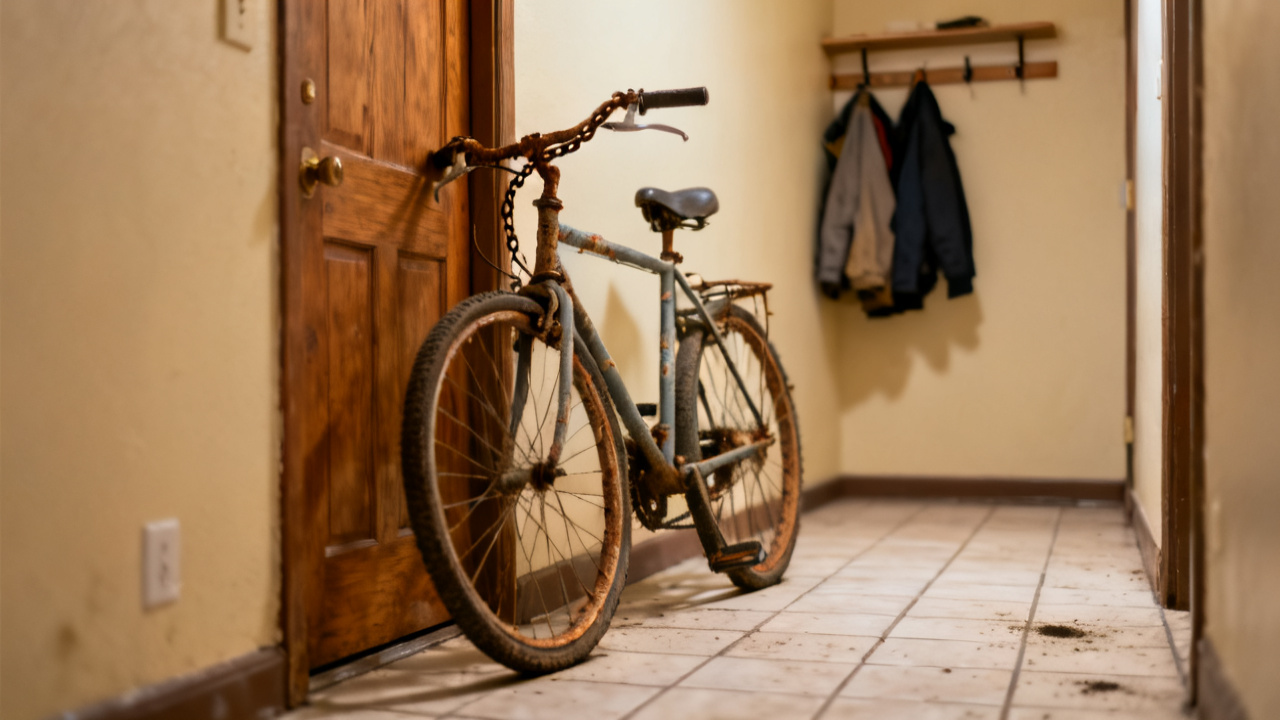
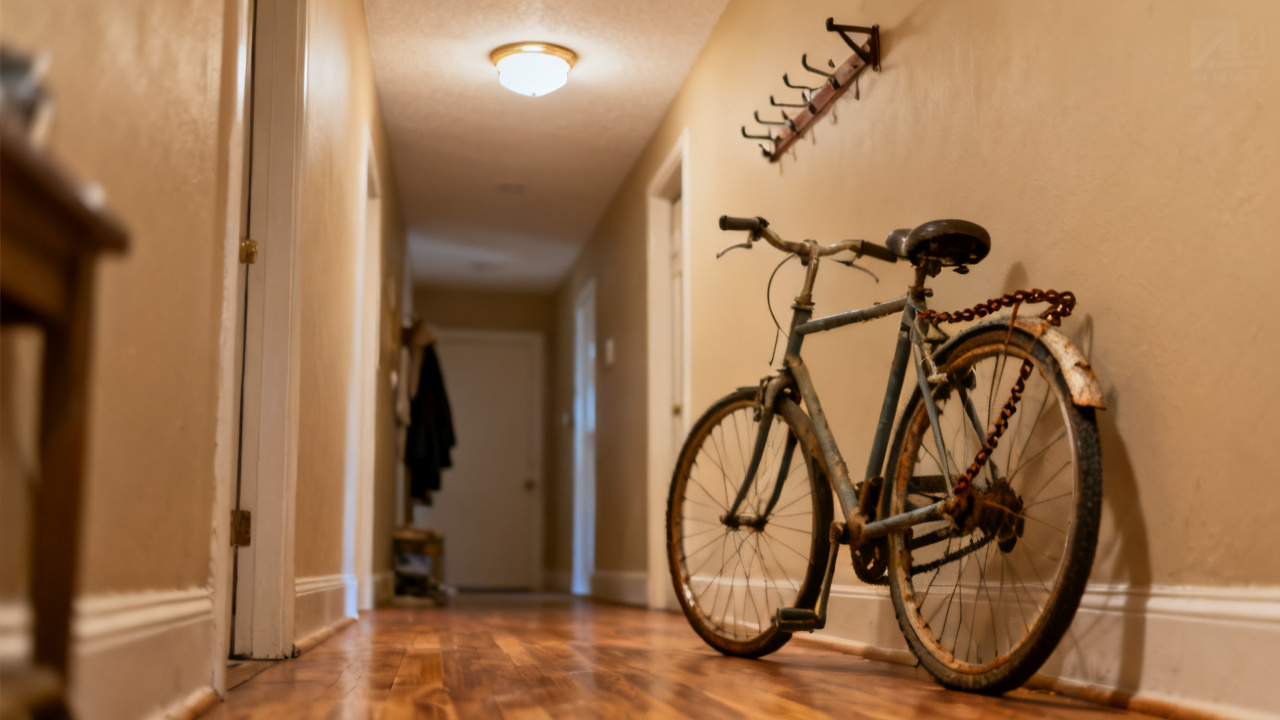
You never want to throw dead or partially drained household batteries in the regular trash, since they can leak heavy metals like lead, cadmium, and mercury into local landfills, which can contaminate groundwater and nearby soil over time. Most local grocery stores, hardware stores, and big-box retailers have free, publicly accessible battery disposal bins near their front entrances, usually right next to the drop-off for plastic film and soft plastic recycling. You can drop off up to 10 standard household batteries per visit at most of these locations with no extra paperwork, fees, or pre-sorting required. If you’re disposing of rechargeable lithium-ion batteries, you’ll want to skip the standard grocery store bin and drop them off at a dedicated local e-waste facility instead, since these batteries can pose a small fire risk if they are crushed or punctured in a standard trash or recycling truck. You can tuck the dead batteries from the hallway light into the side pocket of your canvas tote bag right now, so you remember to drop them off when you walk to get your usual iced coffee tomorrow morning. If you pass the Hallway Bike on your way out of the building, you can tuck the small bag of batteries in the front basket temporarily so you don’t forget them while you’re carrying your neighbor’s stack of packages up to the third floor.
Your Next Monthly Hallway Battery Check
On the first Sunday of next month, set a 5-minute reminder on your phone to pull the batteries from all shared hallway electronics, including the overhead light, the building entry keypad, and the small motion sensor above the fire escape door. You don’t have to replace every battery every month, but testing each one with the simple drop test you learned today will help you catch dying batteries before they leave the hallway dark after hours, or leave a neighbor locked out because the entry keypad won’t power on. You can also stash a sealed pack of new alkaline AA batteries in the locked utility drawer by the mailboxes that day, so you and other neighbors never have to rummage through your personal kitchen junk drawers for spares when a hallway device dies unexpectedly. If you notice any batteries with light white or blue corrosion around their ends when you pull them out next month, you can wipe the device’s metal contact points with a small amount of white vinegar on a cotton swab to remove the buildup before inserting new cells. This quick cleanup doesn’t guarantee the device will work long-term if corrosion has spread past the surface of the contact points, but it will often fix minor connection issues for at least a few weeks, buying you time to replace the device entirely if needed. You can also leave a small note taped to the utility drawer that month, letting other neighbors know where the spare batteries are stored, and asking them to add any extra spares they have lying around their apartments to the drawer if they want to help keep the hallway powered between checks.