Educational overview only. Prudent Guardian (www.inspirecodingedu.com) is not an insurance company, broker, law firm, or registered investment adviser, and does not provide personalized insurance, investment, tax, medical, or legal advice. Verify details with licensed professionals and official issuers.
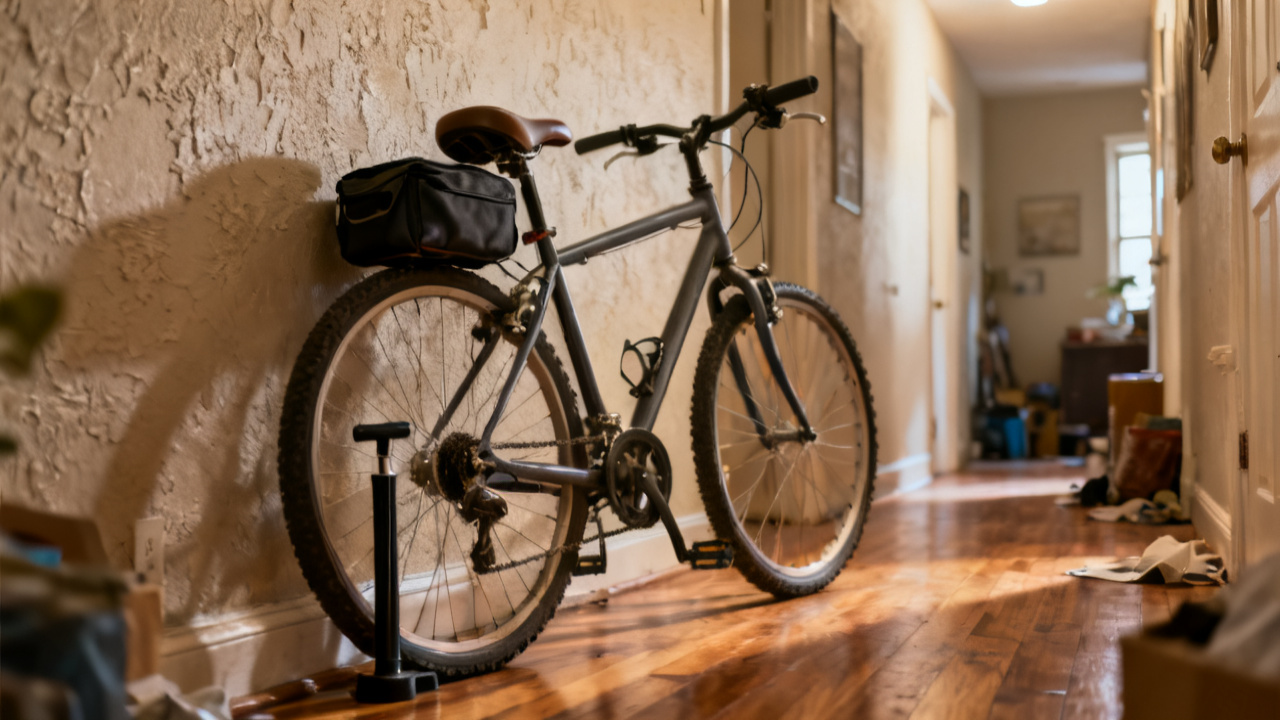
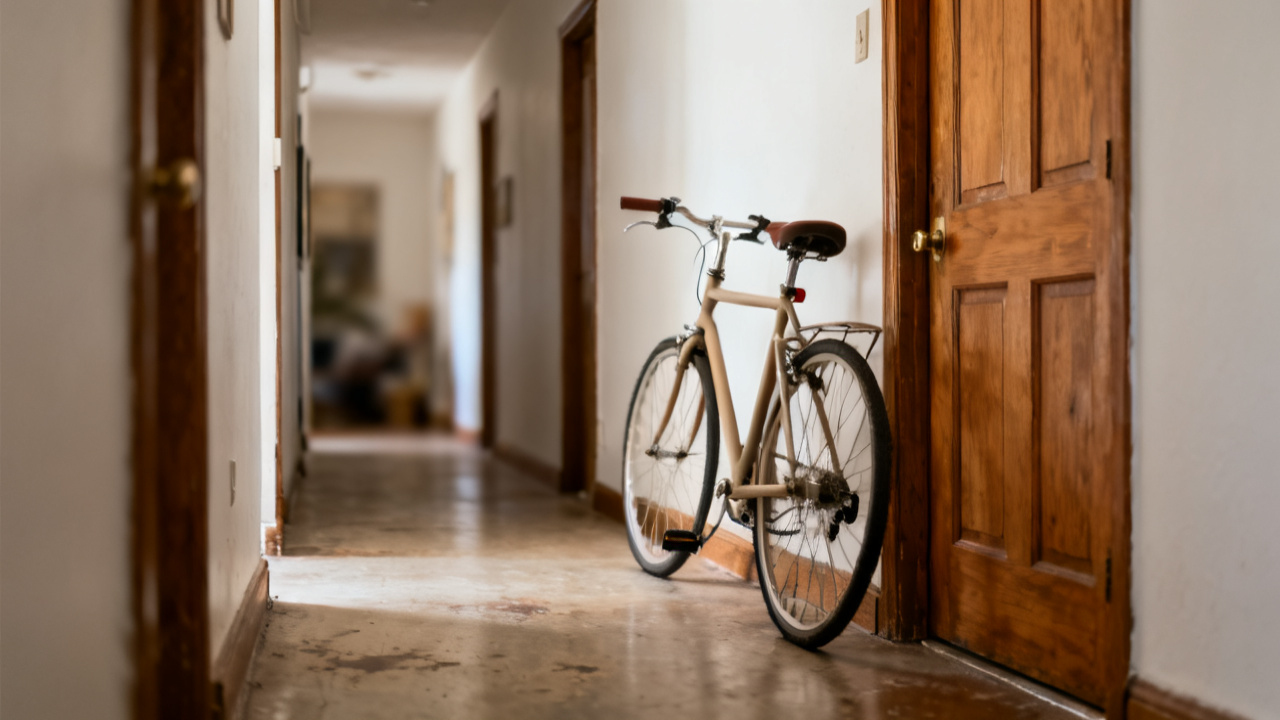
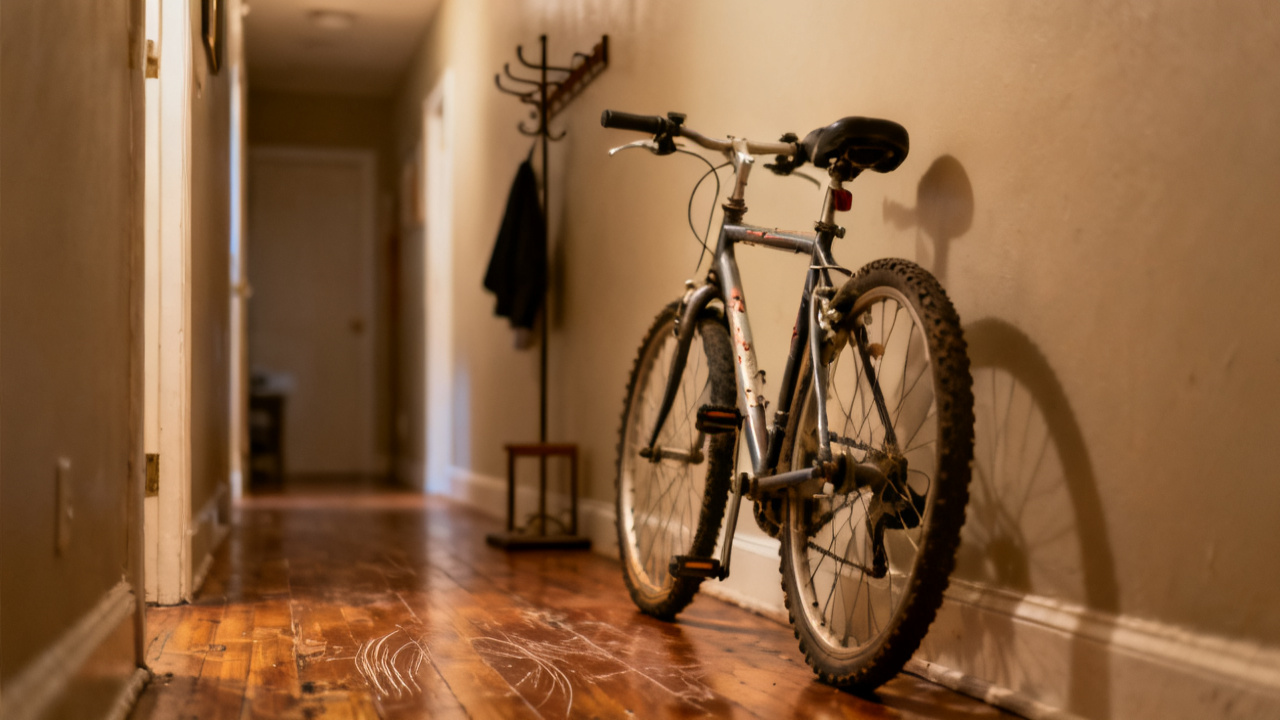
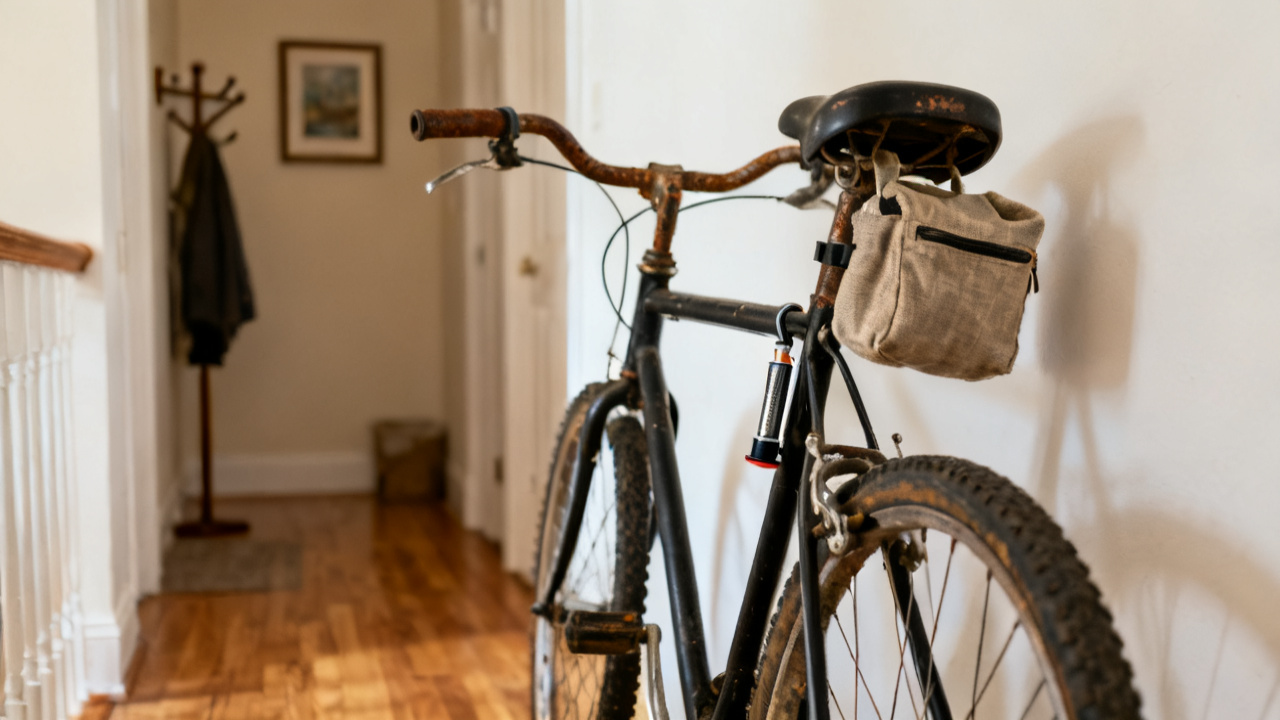
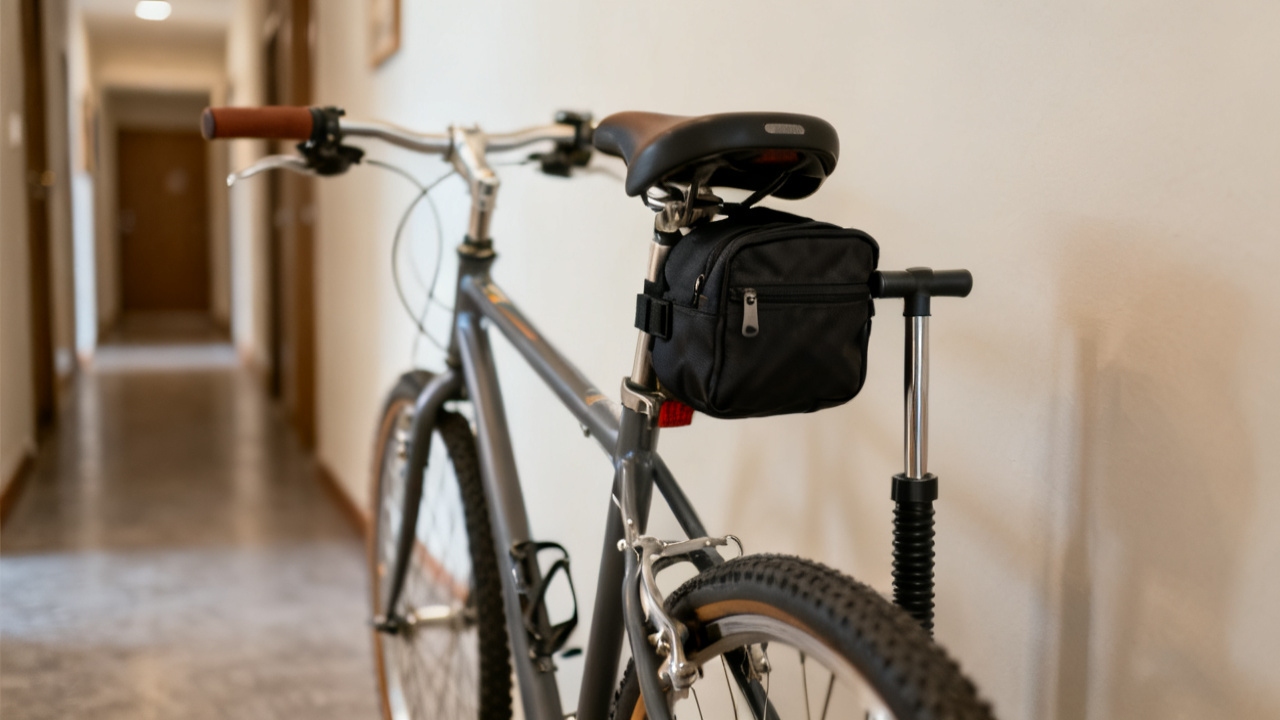
You ride in the morning. Both tires look fine and you have not squeezed them. Your Hallway Bike is propped against the wall by your front door, keys hanging from its handlebar, the reusable tote you bring to work slung over the seat. The floor lamp in the hallway casts soft yellow light over the rubber treads, hiding any slow deflation you’d spot if you pressed a thumb into the sidewall. You don’t want to roll out at 6 a.m. just to find you’re low enough on air that you have to detour to the gas station pump and miss your first meeting.
Gather your pump and tire pressure specifications
You keep your small portable floor pump tucked under the entryway bench right by your apartment door, so you don’t have to rummage through your closet or work bag to find it. The recommended pressure range for your tires is printed directly on the sidewall in raised, tiny rubber lettering, so you don’t need to look up any specs online or dig through old purchase receipts to find the right number. If you struggle to read the lettering in the dim hallway light, you can use the generic range for your tire size that you jotted down on a neon sticky note stuck to the pump handle last month, when you replaced your old worn treads. You only need the pump, a basic pressure gauge that fits your valve type, and 10 minutes of free time to get the job done before you head back inside for the night.
Check the current pressure of each tire
Taking an accurate reading before you add any air ensures you don’t overinflate the tires, which can lead to a harsh ride or a blowout over unexpected road debris. Follow these simple steps to get consistent readings for both tires:
- Unscrew the plastic valve cap from the first tire and set it in your palm so it doesn’t roll under the hallway baseboard, where you’ll never find it again.
- Press the pressure gauge firmly onto the valve stem, holding it completely straight to avoid leaking air while you take a steady reading.
- Jot the PSI number down on the back of an old grocery receipt you pull from your jeans pocket, then repeat the entire process for the second tire on the opposite wheel.
- Compare both readings to the recommended range printed on your tire sidewall to see how much air you need to add to each tire to hit your target.
Even if the tires look fully inflated to the naked eye, they could be 10 to 15 PSI lower than the recommended range, which is enough to make your morning ride feel sluggish, increase your risk of a pinch flat over potholes, and wear out your treads faster than normal.
Add air in short bursts to avoid overinflation
Attach the pump nozzle to the first tire’s valve stem, flipping the locking lever to hold it securely in place so you don’t leak air while you pump. Add air in 2 to 3 short burst increments, then detach the pump and check the pressure with your gauge after every set of bursts to make sure you don’t go over the maximum PSI listed on the tire sidewall. Illustrative example: If your recommended range is 35 to 60 PSI, you can aim for 48 PSI for a balance of low rolling resistance for fast commutes and enough cushion to absorb impact over cracked sidewalks and scattered road gravel. If you accidentally pump too much air into the tire, you can press the small pin in the center of the valve stem with the tip of your pressure gauge to release small amounts of air at a time until you hit your target pressure. You don’t need to hit an exact PSI number down to the single digit; any number in the middle third of the recommended range will work perfectly for your regular daily commute.
Wipe down the valve stems before replacing caps
Small dust particles, hallway lint, and tiny bits of road debris can get caught in the crevices of your valve stems, leading to slow, unnoticeable leaks that will leave you with low tires again in just a few days. Grab the edge of your hoodie or a folded paper towel you keep on the entryway shelf for quick cleanups, and wipe each valve stem thoroughly to remove any visible grime or dust before you put the caps back on. Screw the valve caps on tightly, as they form a secondary seal that keeps air from leaking out even if the inner valve core is slightly loose from regular use. Double check that both caps are finger tight so they don’t rattle loose and fall off mid-ride tomorrow, leaving the valve stem exposed to more debris on your route. Toss any crumpled receipts or used paper towels into the hallway waste bin by the stairwell so you don’t leave a mess for your neighbors to step around on their way out in the morning.
Confirm the job is fully finished for the night
Give both tires a quick, firm squeeze with your thumb to make sure they feel consistent and firm, not squishy or overly rigid. Tuck your pump and pressure gauge back under the entryway bench where you keep them, so they’re easy to find the next time you need them. Make sure the bike is still propped securely against the wall, not leaning so far that it will tip over overnight and scratch the hallway paint or knock over your neighbor’s potted plant that sits by the stairwell. You don’t have to do any extra checks or adjustments right now—no tinkering with the brakes, no tightening the seat post, no lubricating the chain. You only came out to air the tires, and that task is fully complete. Flip off the hallway floor lamp if you were the one who turned it on, then head back inside your apartment to finish whatever you were doing before you remembered to tend to the tires.
Schedule your next tire pressure check for two weeks out
Tire pressure naturally drops about 1 to 2 PSI per week even if you don’t ride the bike at all, thanks to tiny, unavoidable air seepage through the rubber and valve core, so checking every two weeks keeps you from getting caught off guard by low tires on a morning you’re already running late. Pull out your phone and add a reminder to your calendar for 8 p.m. two weeks from today, so you get an alert right after you finish dinner when you’re not rushed or distracted by work tasks. If you ride through heavy, debris-filled rain or hit a particularly large pothole on your commute that makes a loud clunk, you can do this same check a few days early to make sure you didn’t knock the valve core loose or create a small slow leak. If you’re planning a longer weekend ride to the park or a nearby town, you can also do this exact same check the night before that ride to make sure you’re set for the extra mileage and varied road surfaces. This quick, low-effort job takes almost no time out of your evening, and it saves you the stress of unexpected delays on your morning commute.