Educational overview only. Prudent Guardian (www.inspirecodingedu.com) is not an insurance company, broker, law firm, or registered investment adviser, and does not provide personalized insurance, investment, tax, medical, or legal advice. Verify details with licensed professionals and official issuers.
The bike-lock key is loose in a pocket. The door keys are on a ring. You brush crumpled grocery receipts out of the jacket pocket to get a better grip on the silver bike lock key, the edge of its plastic head digging into your palm as you pull it free. The hallway’s overhead light hums soft above you, casting faint gold over the dented metal key ring hanging from your index finger.
Two Possible Key Arrangements
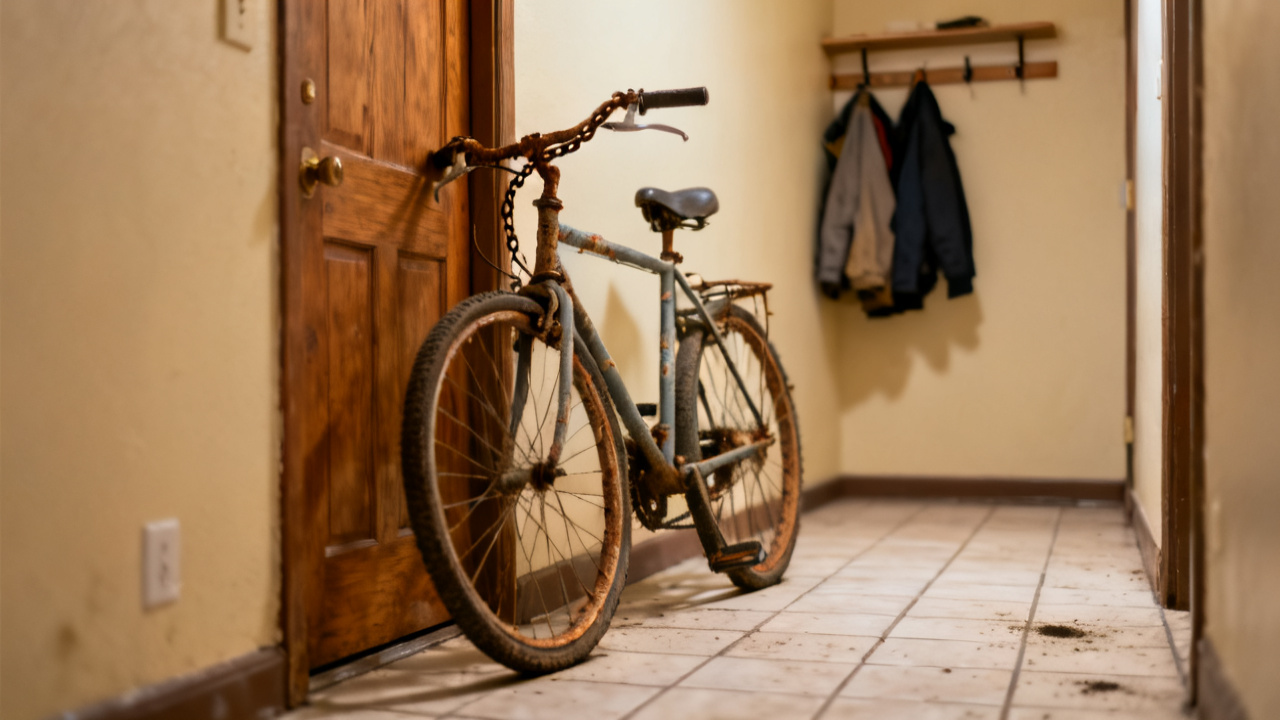
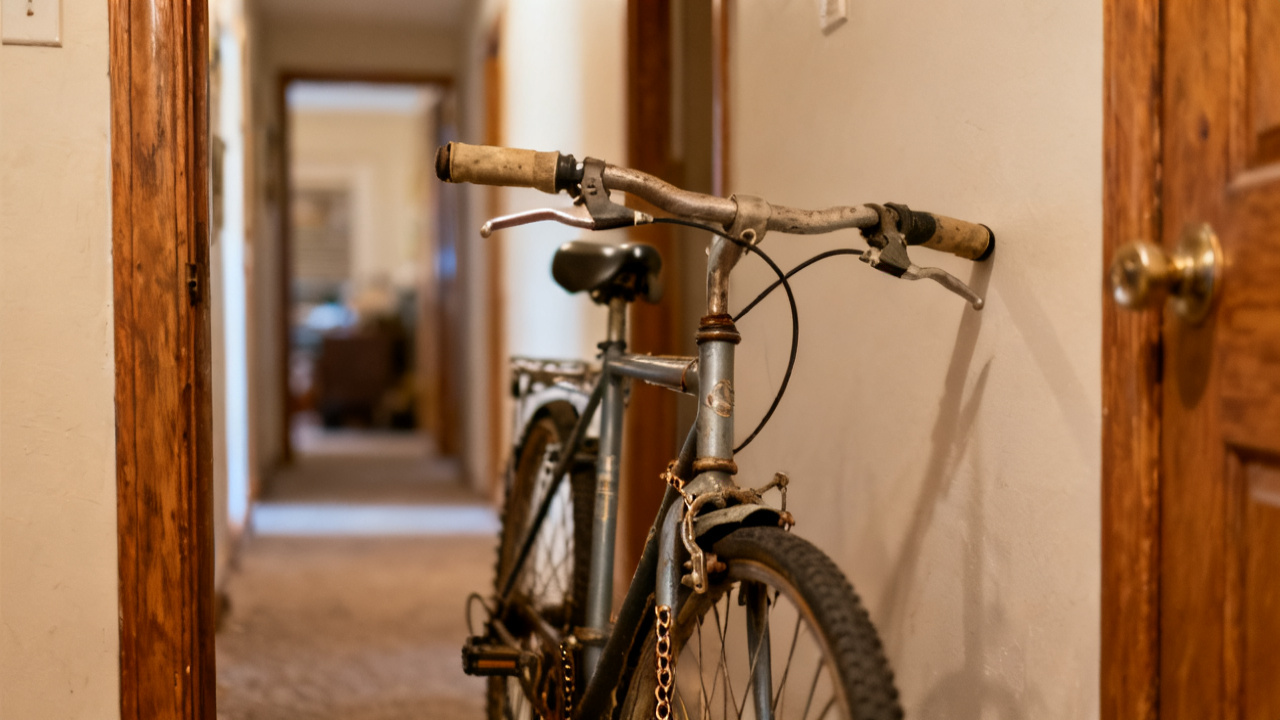
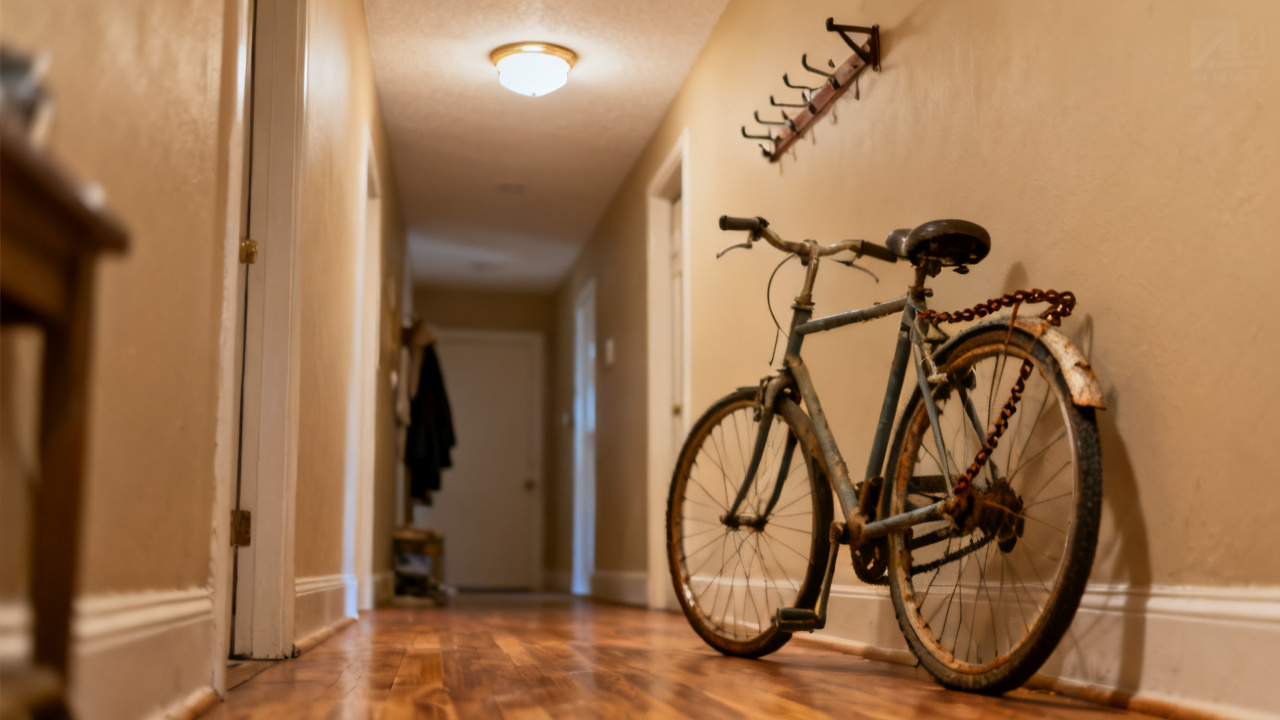
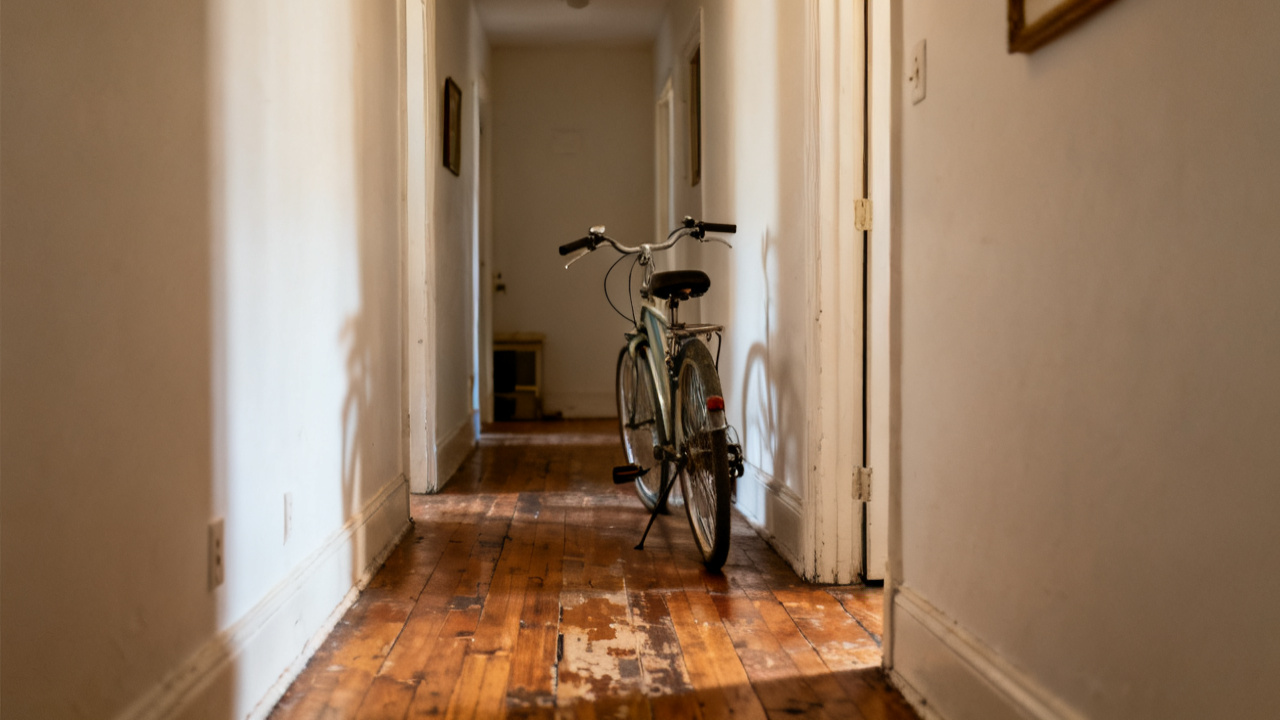
You stand there for 30 seconds weighing the two clear options in front of you, your Hallway Bike leans against the wall three feet away, its U-lock dangling from the crossbar waiting for the key that currently rests in your other hand. The first option is to keep the bike lock key separate, tucking it back into your jacket pocket permanently. You initially chose this setup three weeks ago when you bought the new U-lock, after your old one jammed shut in a heavy rainstorm, because you worried the key’s sharp metal edge would scratch the screen of your new smartphone. You’ve since bought a thick rubber case for the phone, so that risk is virtually eliminated, but keeping the key separate has led to three close calls in the last month alone: you left it in your denim jacket when you switched to a fleece for a rainy errand run, you forgot to move it to your backpack before a work trip, and you almost lent it to a friend who borrowed your jacket when they got cold at a outdoor concert. The second option is to add the bike lock key to your existing door key ring, so it lives alongside your building front door key, apartment deadbolt key, and laundry room fob. The benefit here is that you never leave the apartment without grabbing your door key ring first, so you will never forget the bike key when you head out for a ride. The only real downside is that if you lose the entire ring, you have to replace both your apartment locks and your bike lock, but you already have a small Bluetooth tracker attached to the ring, so you can locate it within 10 feet anywhere in your apartment, and you have only lost one key ring in your entire life, during a late college night out 8 years ago.

Selected Key Placement
You land on adding the bike lock key to your door key ring, after weighing the minimal risks against the daily convenience of not having to dig through multiple pockets every time you want to unlock your bike. You’ve missed two early morning group rides in the last month because you grabbed the wrong jacket and left the bike key tucked away, and that frustration far outweighs the minor hassle of removing the key if you ever need to lend your door keys to a neighbor or family member. You rarely lend your keys out anyway, usually only to your cousin who lives two floors up when you’re out of town, and you can pop the key off the ring in 10 seconds flat if that situation comes up. You also factor in the small, frequent annoyance of having to set your morning coffee down on the wet sidewalk to dig for the separate bike key, which you’ve done twice now, spilling oat milk latte on your white sneakers both times. That small, recurring nuisance is enough to solidify your choice.
Ring Assembly Steps
You settle the key ring in the palm of your non-dominant hand and follow these simple steps to attach the bike key securely:
- Hold the split key ring steady between your thumb and index finger of your non-dominant hand, pressing the edge of your thumbnail into the tiny gap where the ring metal overlaps.
- Pry the top layer of the ring up just enough to slide the edge of the bike lock key’s plastic head into the gap, taking care not to bend the ring so far it loses its shape or snags the skin under your nail. Illustrative example: a standard 1-inch split key ring requires roughly 7 pounds of pressure to pry open far enough to slide a standard key head into the gap, so you don’t need to strain or use a tool unless you have limited grip strength.
- Twist the key clockwise as you push it along the curve of the ring, moving it past the overlapping edge until it sits fully on the main loop of the ring with your door keys, apartment fob, and tiny souvenir keychain from your last beach trip.
- Wiggle the bike key back and forth gently to make sure it is secured on the ring and won’t slide back out through the gap when you jostle the keys in your pocket or bag.
- Hold the entire ring up to the hallway light and count the keys to confirm you haven’t accidentally dropped any of your existing door keys while prying the ring open: you should have the building front door key, your apartment deadbolt key, the building laundry room key, and the new bike lock key, plus your fob.
When you finish, you test the key in the bike’s U-lock to make sure you didn’t mix it up with the old jammed lock key you keep in your junk drawer, and it clicks open and shut smoothly. You grab a spare sticky note from your pocket, the ones you keep for jotting down maintenance requests for the building manager, and scrawl “confirm bike key is on ring before Saturday ride” on it, sticking it to the inside of your apartment door frame so you see it first thing when you leave for work tomorrow.
Next Weekly Key Check
You will run this same quick check of your key ring seven days from today, right before you head out for your usual Saturday morning trail ride. When that time comes, you will first confirm the bike key is still secured on the ring, with no loose gaps in the split ring that could let it slip out without you noticing. You will also take a minute to check if any of the keys are showing signs of wear, like bent edges or faded engravings that make them hard to tell apart in low light. If you find the split ring is starting to lose its tension, you will swap it out for a spare you keep in the junk drawer in your kitchen, to avoid losing any keys mid-week. You can also use this check to add any new keys you receive, like the upcoming rooftop access key your landlord says they will hand out next week, or remove any keys you no longer use, like the old gym key you haven’t touched in six months. This check will take no more than two minutes, and it will help you avoid the hassle of losing a key right when you need it most. You don’t need to make any major changes unless you spot a clear issue, just a quick once-over to make sure everything is still in place, and you can wipe the keys down with a disinfectant wipe if they are grimy from being carried in dirty pockets or set on public counters.