Educational overview only. Prudent Guardian (www.inspirecodingedu.com) is not an insurance company, broker, law firm, or registered investment adviser, and does not provide personalized insurance, investment, tax, medical, or legal advice. Verify details with licensed professionals and official issuers.
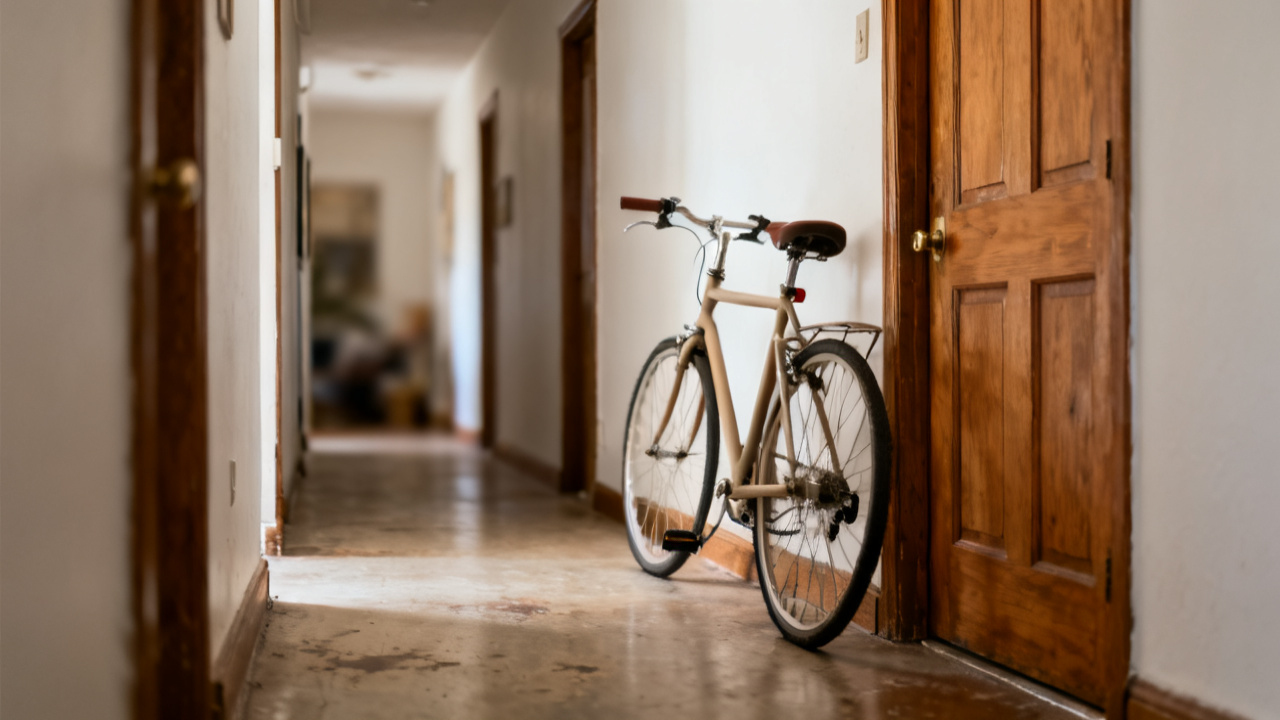
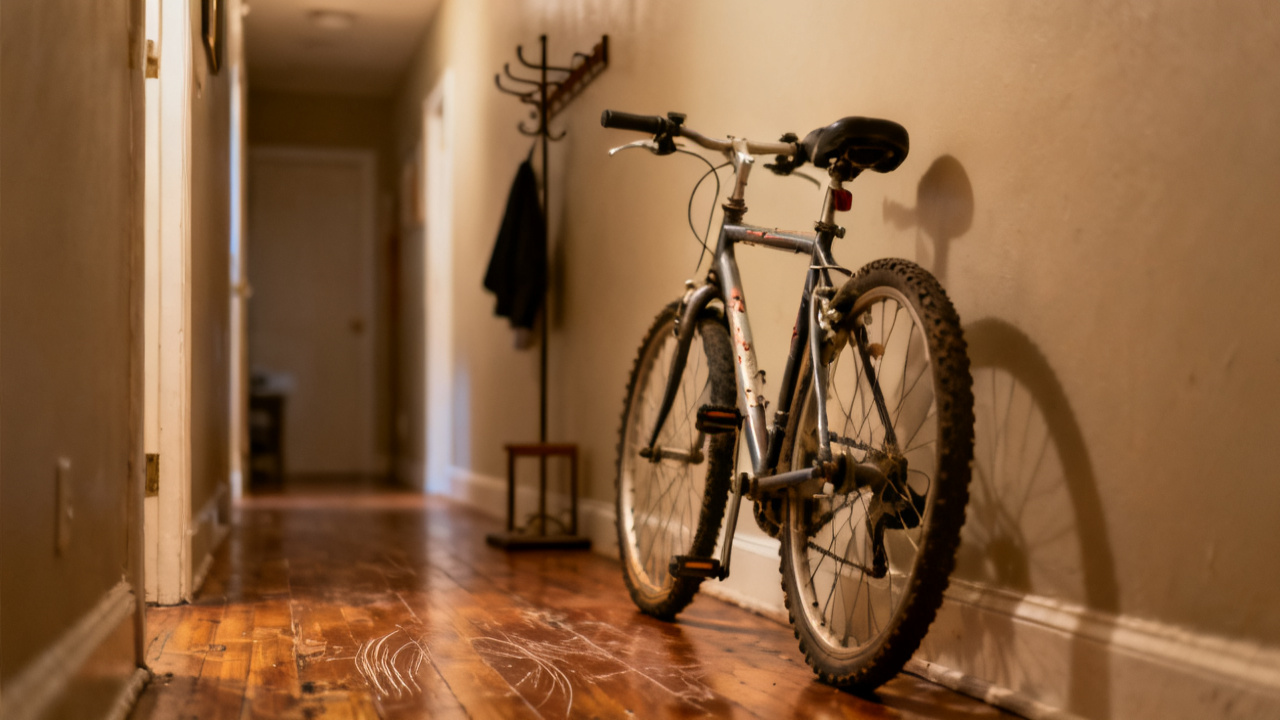
The tire is still soft and the light is dead. You were going to ride. Your rain jacket is slung over one arm, keys tucked in your pocket, and the elevator down the hall is dinging to signal it’s waiting for you. You kneel on the scratchy, patterned hallway runner, pressing your thumb hard into the front tire to confirm it’s not just the unseasonably cold spring weather making the rubber feel squishy. The front light flickers once when you tap the power button before going dark again, no amount of jostling the sealed battery compartment bringing it back to life. You sigh, already running through your backup commute options in your head, since the last time you tried to ride on a soft tire you got a pinch flat 2 blocks from home and had to walk the whole way back, making you 45 minutes late to a team sync.
What is wrong with your hallway-stored bike
You don’t have to drag the bike all the way back to your unit to run through the obvious issues. The soft front tire has a slow leak you’ve been meaning to patch for three days, one you thought would hold for another half dozen rides until you woke up to below-freezing temperatures that shrunk the remaining air enough to make it unrideable. The dead light is a separate issue: you forgot to plug it in to charge after your ride home in the rain last night, and the battery is completely drained. No amount of quick on-the-go charging will get it bright enough to ride safely in the dark morning commute, when street lights are still dim and drivers are still groggy from their own early mornings. You also notice a small layer of condensation coating the metal handlebars, a side effect of the cold hallway air mixing with the warm air coming from your unit’s vent when you opened the door to leave.
Parts you do not adjust mid-rush
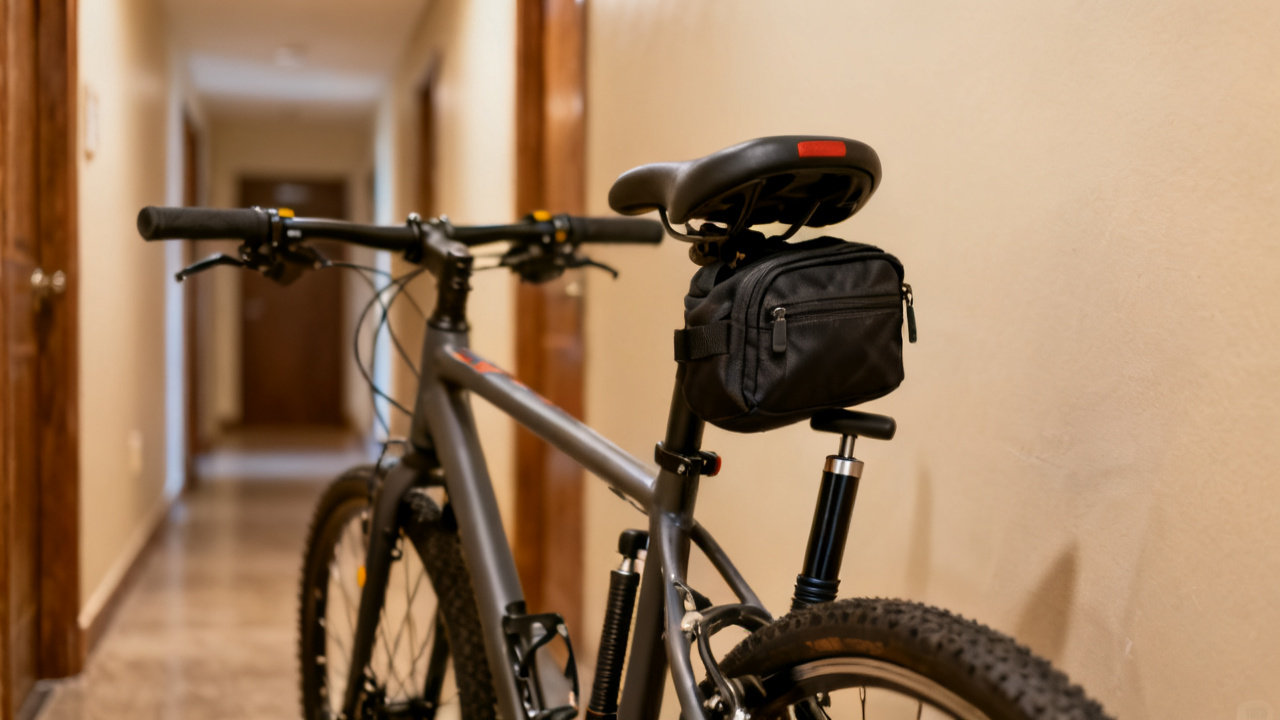
You might be tempted to yank at the brake calipers or mess with the gear shifter to see if you can eke out a ride, but those are not the root of your problem right now, and adjusting them without a stand or the right tools will only create more work for you later. You also skip trying to pry open the light’s sealed battery compartment; you know the seal is designed to keep rain out, and prying it with your key will crack the waterproof casing, leading to more expensive repairs down the line. You leave the seat post clamp alone too, even if it feels a little loose, because you don’t have a torque wrench handy to tighten it to the right specification, and over-tightening could crack the lightweight aluminum frame. You don’t touch the tubeless sealant injectors you keep in your storage bin at home, either, since you don’t have time to properly clean up any mess that might make if you try to use it while kneeling in the hallway.
Quick 10-minute fixes you can wrap up now
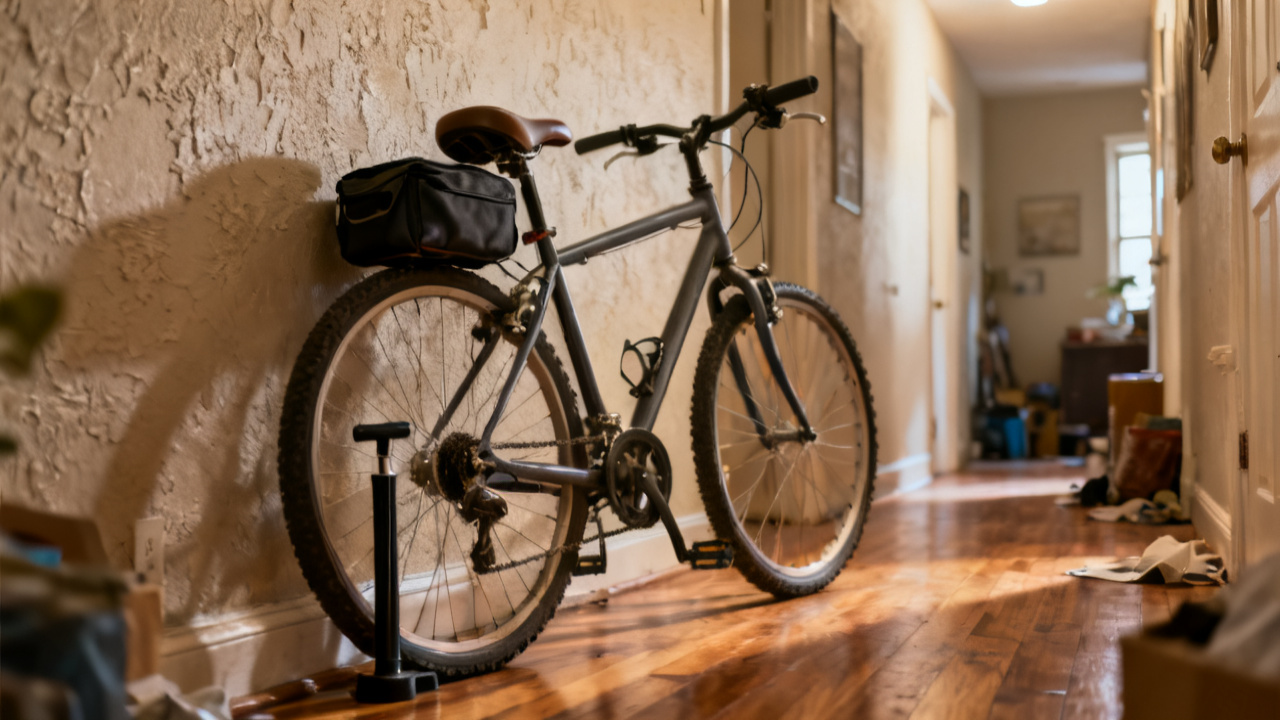
You can knock out these simple steps right here in the hallway before you head out on the bus, no tools required beyond the portable pump you keep tucked in the bike’s frame bag.
- First, flip the bike upside down so it rests on its seat and handlebars, keeping the chain off the dirty hallway runner to avoid getting grease on the fabric that the building maintenance team just replaced last week.
- Attach the pump nozzle to the front tire valve, pumping until the rubber feels firm to the touch, matching the recommended PSI printed on the tire sidewall as closely as you can with the basic hand pump. Illustrative example: if your tire is rated for 65 PSI, stop pumping when the small gauge on your pump reads between 62 and 64 to account for slow air loss you haven’t fixed yet.
- Pop the dead light off its handlebar mount, tucking it into your work bag so you remember to plug it in to charge as soon as you get to your desk.
- Wipe down the frame and handlebars with the microfiber cloth you keep in your jacket pocket, wiping off any condensation that built up overnight from the cold hallway air to avoid rust spots forming on the metal components.
This temporary pump job will get the tire firm enough to ride later, but it will not hold air for more than a day or two, so you will need to patch the leak when you have more time later that night.
Where to stow the bike for the rest of the day
You flip the bike right side up, rolling it a few feet down the hall to the designated bike storage nook right by the stairwell, the spot you usually use if you don’t want to drag it all the way back to your unit. You loop the heavy-duty u-lock through the frame and the metal bike rack bolted to the wall, clicking it shut twice to make sure it’s secure, no need to add the secondary cable lock since you’ll be back before most other people in the building get home from work. You tuck the rain jacket you brought for the ride into the frame bag, zipping the pocket shut to keep it dry if the building’s maintenance team mops the floor later that day. You note the small Hallway Bike sticker on the rack’s corner, put up by the building’s tenant cycling group last month, to remind people not to block the walkway with stored bikes. You give the frame one last quick pat before turning toward the elevator, which has just dinged again to signal its arrival on your floor.
Distractions you tune out while you wrap up
You ignore the second ding of the elevator that came while you were locking up, knowing you already missed that car and the next one will be along in a minute anyway. You don’t stop to chat with the neighbor who is walking their small terrier down the hall, waving quickly to acknowledge them while you double check that the lock is fastened correctly, since you’re already running a minute late for your first meeting of the day. You also ignore the voice in your head that says you could just risk the ride on the soft tire and dead light, reminding yourself that the bus route runs right past your office and you will be there only 10 minutes later than you would if you rode, with zero risk of crashing because you can’t see potholes or get a flat tire mid-ride. You skip checking your work phone for new messages right now, too, since you can answer any urgent emails once you get on the bus and have a chance to sit down. You also ignore the crumb of granola bar that fell out of your jacket pocket onto the hallway floor, planning to pick it up on your way back home that night if it’s still there.
Your next pre-ride check schedule
You will run through this exact quick check the next time you head out for a ride, which will be tomorrow morning once the light is fully charged and you have time to patch the tire leak tonight after work. Before you even grab your jacket and keys, you will press your thumb into both tires to check for soft spots, and tap the power button on both the front and rear lights to confirm they have a full charge. You will also give the brake levers a quick squeeze to make sure they are responsive, and check that the quick release skewers on both wheels are tight, before you roll the bike out of the storage nook. If any of these checks turn up a problem that you can’t fix in 10 minutes or less, you will leave the bike home again, no need to push for a ride that will only put you at risk or leave you stranded halfway to your destination. You also plan to add a spare light battery to your frame bag this weekend, so you won’t get stuck with a dead light on future early morning rides.