Educational overview only. Prudent Guardian (www.inspirecodingedu.com) is not an insurance company, broker, law firm, or registered investment adviser, and does not provide personalized insurance, investment, tax, medical, or legal advice. Verify details with licensed professionals and official issuers.
Keys, light, tires. You are at the door with the bike. You’re half running late, oat milk latte sloshing a little in the cup holder slung over your handlebars, and the last thing you want is a mid-commute hiccup that makes you miss your team check-in. The building hall lights are dimmed to their early-morning low, and no one else is loitering by the mailboxes yet, so you have two full minutes to sort through your quick check before you haul the bike down the front steps.
The Two Quick Fix Choices You Weigh Right Now
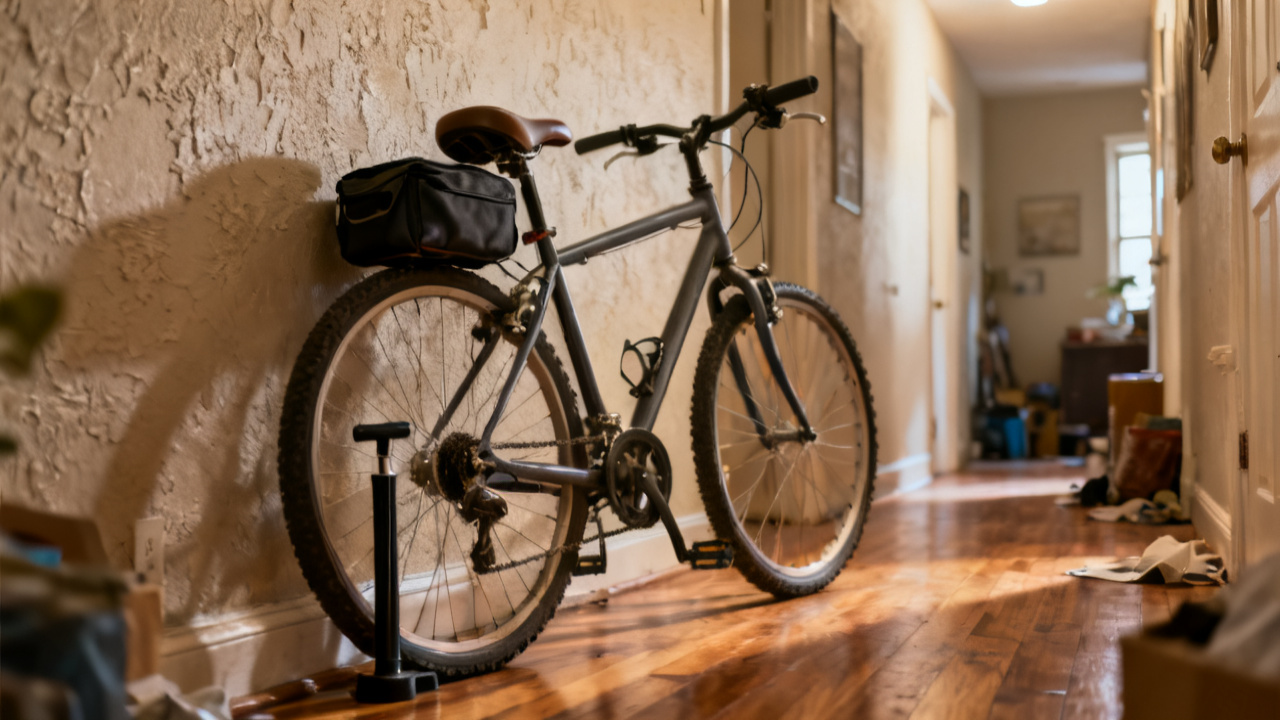
You already confirmed your keys are in your jacket pocket and your handlebar light is fully charged, so the only outstanding check is your front tire, which feels a little soft when you squeeze it with your thumb. You have two clear choices to work with right now, and neither requires more than a few seconds of thought to map out. The first choice is to ignore the soft tire, toss your bike over the front stoop rail, and race to work, keeping your spare inner tube and patch kit tucked in your bag just in case you spring a flat mid-ride. If you take this route, you leave on time, but you run the risk of spending 15 minutes kneeling in slushy gutter water patching a tire right before your first client call, leaving you cold, wet, and flustered for the rest of the morning. The second choice is to grab the mini floor pump you keep hung on the hook next to your apartment door, spend 90 seconds topping up the tire to a safe pressure, and eliminate the risk of a flat entirely, only pushing your departure time back by a minute and a half at most. There’s no wrong choice here, but one fits your current schedule far better than the other.
Pick the Tire Top-Up Option For Today’s Route
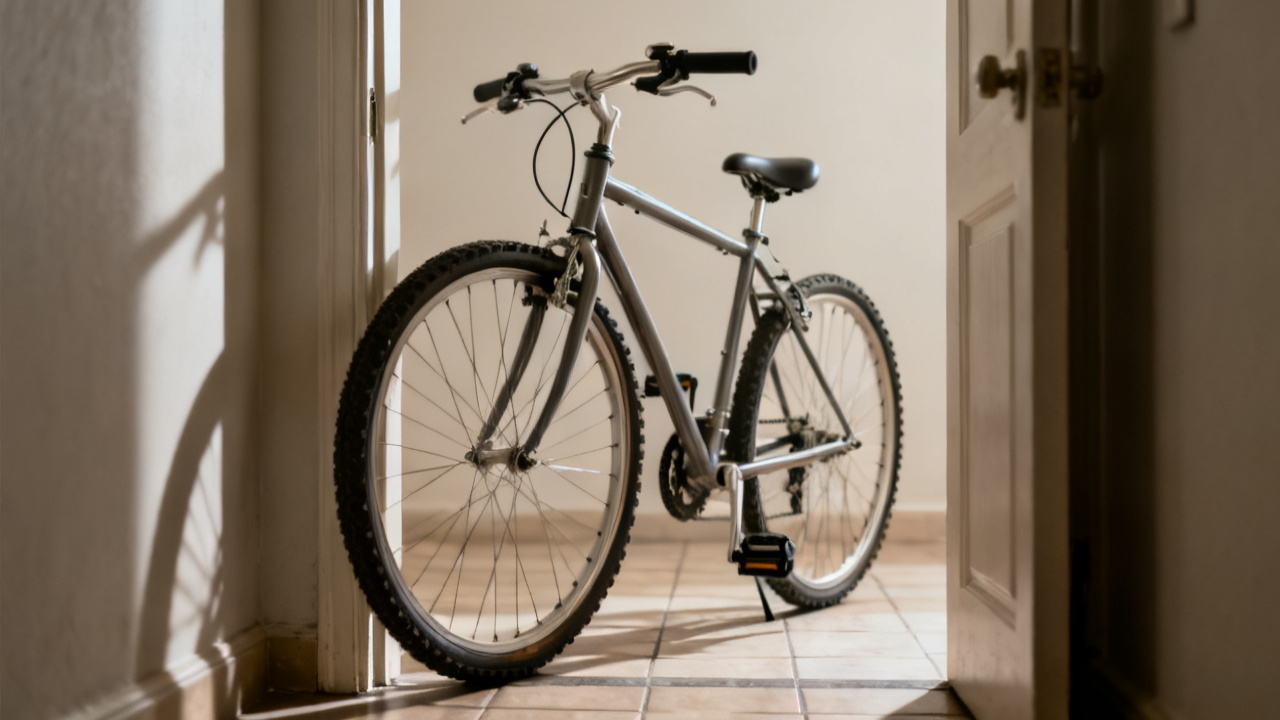
You already have three back-to-back internal and client meetings lined up before 10 AM, with zero buffer time built into your schedule for unexpected delays, so the tire top-up is the obvious pick for today. You set your latte down on the edge of the building’s package table, making sure it’s far enough away from the edge that no one rushing past will knock it over, flip the quick release on your front tire to hold it steady so it doesn’t roll while you pump, and grab the pump off its plastic hook. You kneel down, unscrew the valve cap on the front tire, and give the valve a tiny press to release a small burst of air, making sure it’s not stuck shut before you attach the pump. Illustrative example: Your hybrid commuter bike needs a minimum of 42 PSI to handle the pothole-ridden stretch of 5th Street you take every weekday, and your current reading is 28 PSI, which is low enough to risk a pinch flat if you hit the sunken drain grate by the coffee shop you stop at every Tuesday. This quick top-up will get you through today’s commute without issue, but it is not a long-term solution, as the slow leak that caused the low pressure in the first place will continue to let air seep out over the next 48 hours, so you will need to address the root of the leak soon to avoid being in this exact same spot later in the week.
Secure the Temporary Fix and Prep the Hallway Spot
You work through the quick, straightforward steps to get the tire inflated and leave a heads up for other building cyclists who might be running through their own pre-commute checks right after you:
- Attach the pump nozzle to the front tire valve, flipping the small plastic lever on the top of the nozzle to lock it in place so no air escapes as you pump, and make sure the nozzle is seated fully so you don’t hear any hissing while you work.
- Pump in short, steady strokes, using your body weight to push the pump handle down instead of straining your arm muscles, and check the pressure gauge on the pump every 10 strokes until the reading hits 45 PSI, 3 PSI over the recommended minimum to account for small, normal air loss during your 20-minute ride.
- Flip the nozzle lever back to the unlocked position to release it from the valve, tighten the valve cap back into place so no dirt or debris gets stuck in the valve core, and spin the front tire once with your hand to make sure it spins evenly with no wobbles that would indicate a misaligned wheel you missed when you locked it up the night before.
- Tear a sheet off the small pocket notepad you keep tucked in the side pocket of your bike bag, write a quick note letting your building’s other regular bike commuters know you left the pump hung back on its hook by apartment 3B for anyone else who needs a quick top-up on their way out, and tuck the note under the edge of the shared Hallway Bike rack so everyone who uses the rack will see it before they roll out.
You wipe a small smudge of rubber dust off the side of your work slacks, pick your latte back up, and confirm once more that your keys are in your pocket and your light is clipped firmly to your handlebars before you move to head out. There’s no dirt or debris left on the hall tile, so you don’t have to stop to sweep anything up before you leave.
Schedule the Full Tune-Up For Your Next Free Evening
This is the next time you will tackle work related to your bike’s pre-commute checks, so you pull your phone out of your pocket and set a reminder for 6 PM this Thursday, your first free evening after work this week, to handle the full fix. When that time rolls around, you’ll haul the bike back into the hall (or out to your fire escape if the weather is warm enough) to locate the source of the slow leak, patch the inner tube or replace it entirely if you find a small gash from the piece of broken glass you rode over on your way home from the bar last Saturday. You’ll also use that time to do a more thorough check of the rest of the bike: you’ll wipe down the frame to get rid of the road salt and grime that’s built up over the last two weeks of cold weather, lube the chain to get rid of the high-pitched squeak it makes when you shift into third gear, and check the brake pads for wear to make sure they’re still thick enough to stop quickly on wet roads. You don’t need any fancy tools for this work, just the small repair kit you keep in your bike bag and an old rag you have tucked under your kitchen sink for cleaning up messy jobs. You can bring a small portable speaker out to the hall with you while you work if you want, as long as you keep the volume low enough that you don’t disturb any of your neighbors who work from home or have young kids napping. When you’re done with the full tune-up, you can leave another note on the bike rack letting other cyclists know you’re available to help with quick, minor repairs for free if anyone else is dealing with a squeaky chain or low tire before their commute, no trade required beyond a heads up if anyone sees a stray cat hanging around the building entrance (you’ve been trying to trap the little orange guy to get him fixed for weeks). You tap “save” on your phone reminder, slip it back into your pocket, and haul your bike down the front steps, ready to make your commute with no unexpected stops.