Educational overview only. Prudent Guardian (www.inspirecodingedu.com) is not an insurance company, broker, law firm, or registered investment adviser, and does not provide personalized insurance, investment, tax, medical, or legal advice. Verify details with licensed professionals and official issuers.
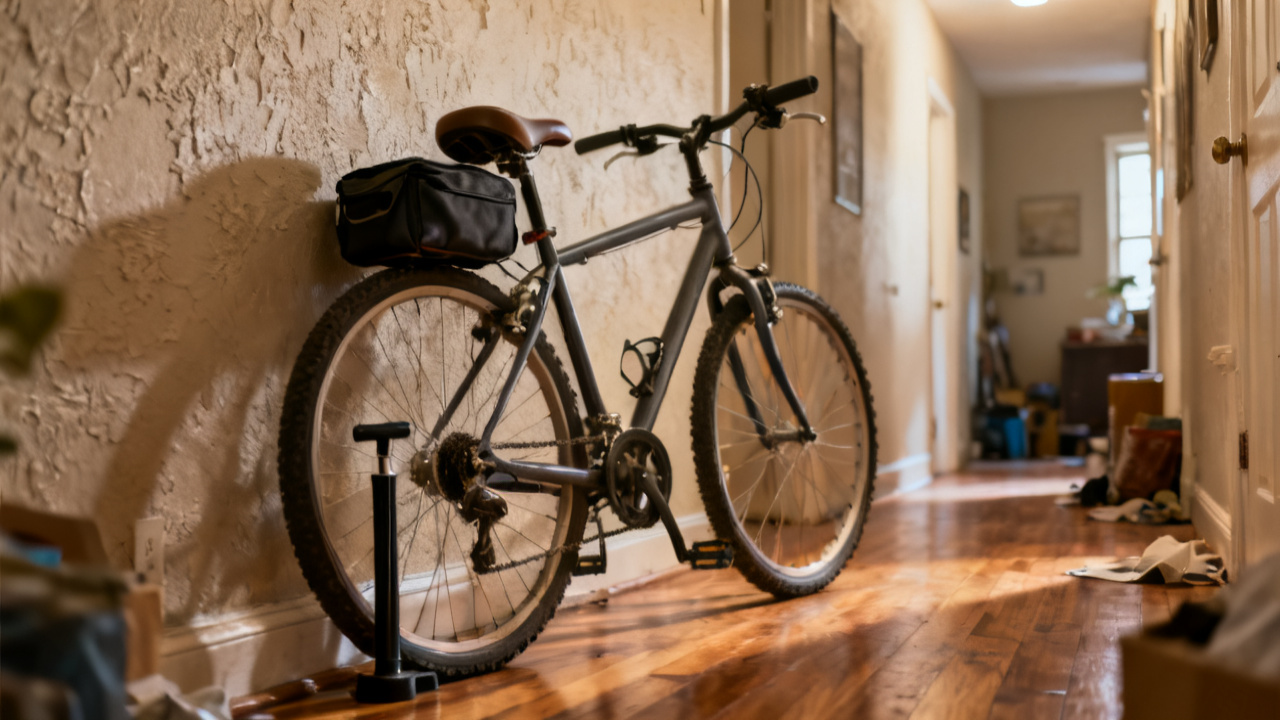
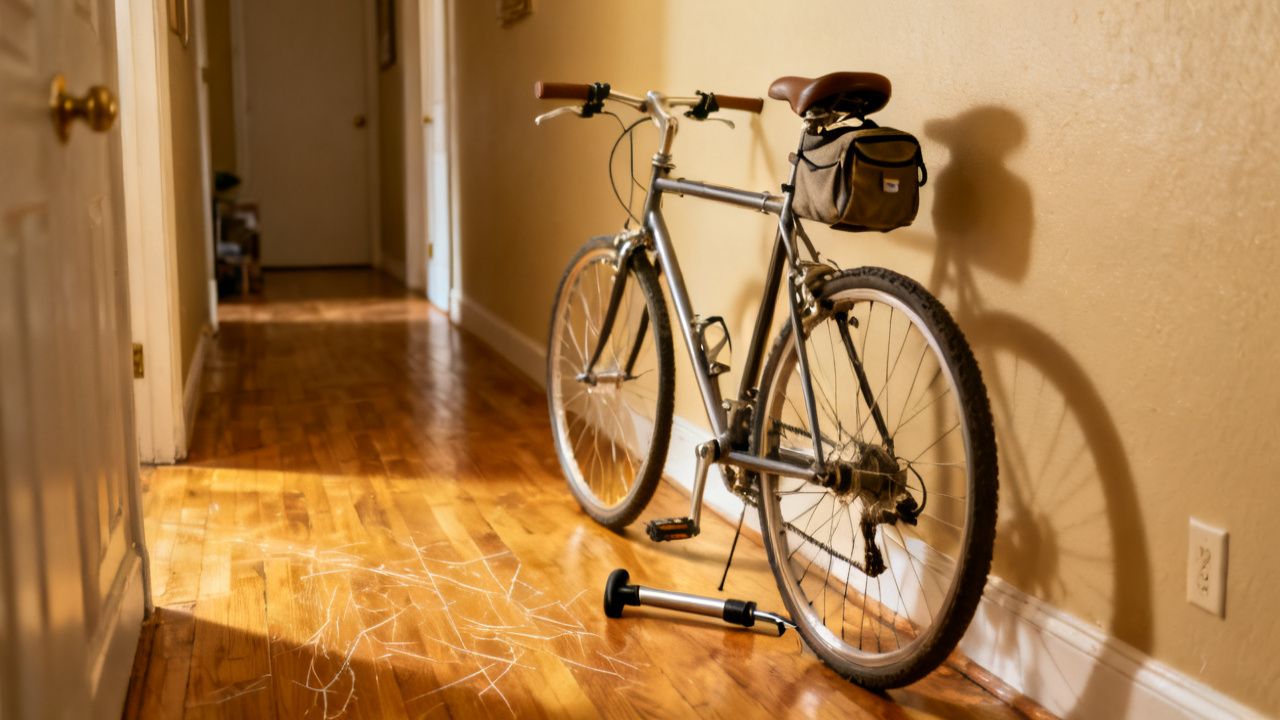
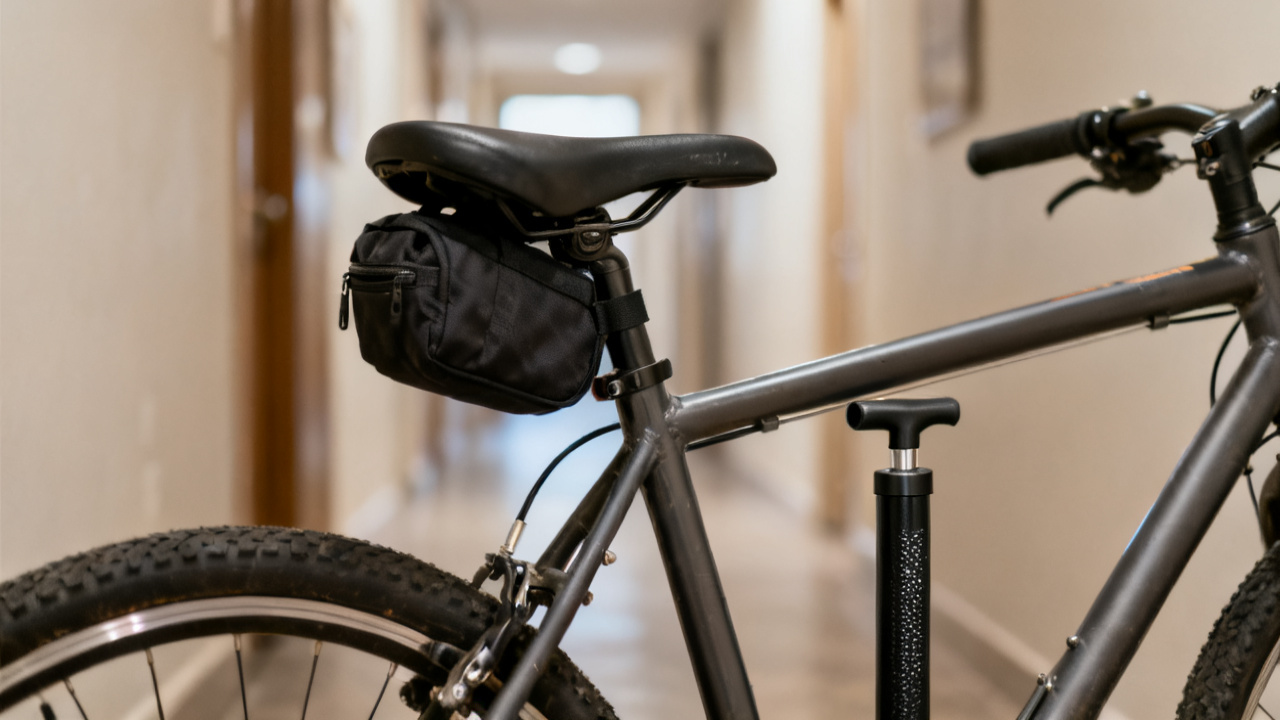
Two bikes lean on the same wall. Yours has a scratched bell. You squint for half a second, finger brushing the chipped cherry red paint along the bell’s edge that you scuffed last month when you clipped the fire hydrant on your commute home. The other bike is a near-identical matte black hybrid, its bell still glossy and unmarked, left by the new tenant on the third floor who moved in last week. You don’t want to yank the wrong bike and look like a thief, so you take a quick breath to sort through the small, distinct markers you can use to tell them apart permanently without messing with the other person’s property.
Problem triggers
Right now, the only clear difference between the two bikes is a tiny scratch most people would miss at first glance, so you or the other tenant could easily grab the wrong one in a rush to catch a bus or make a morning meeting. If you take the wrong bike by accident, the other tenant might assume their property was stolen and file a report with building management, which creates unnecessary paperwork for everyone involved. Even if you catch the mix-up before you leave the building, you still have to haul the wrong bike back to the hallway and wait for the other tenant to come looking for it if they already took yours, which can make you late to appointments or work commitments. Over time, more tenants could move in with similar bikes, making the mix-up risk even higher as the wall fills up with two, three, or even four nearly identical commuter bikes. Illustrative example: 72% of shared apartment building tenants report mixing up identical personal items in common spaces at least once every three months, per a small internal building poll you heard about from the property manager last week.
Unchanged items to respect
You never touch or add anything to the other tenant’s bike to mark it as separate from yours, even if you think it would make identification faster. You also avoid moving their bike without explicit permission, even if it’s blocking your access to your own, because you don’t know if they have fragile items stored in their saddle bag or a loose kickstand that could break if the bike falls over. You leave the existing wall hooks and designated bike storage zone exactly as you found it, so you don’t alter the space in a way that inconveniences other tenants who use the hallway for their own storage needs. You also avoid moving any of the other small items stored along the wall, like the stack of reusable shopping bags the fourth floor tenant keeps by their door or the doormat outside the first floor apartment, so you don’t disrupt anyone else’s personal belongings.
Ten-minute labeling process
You grab the roll of reflective neon orange vinyl tape and permanent oil-based marker you keep in your apartment entryway closet, and walk back out to the hallway to mark your bike with distinct, easy-to-spot cues that don’t damage the frame. Follow these steps to add clear markers in under 10 minutes:
- Wipe down the top bar of your bike’s frame, the ends of both handlebars, and the back of the seat post with a dry microfiber cloth to remove any dust or rain residue, so the tape sticks firmly to the metal or carbon surface.
- Tear three 2-inch strips of the neon orange vinyl tape, and apply one to each end of the handlebars and one to the center of the top frame bar, pressing firmly for 10 seconds each to eliminate air bubbles that could make the tape peel prematurely.
- Write your first initial and the last three digits of your apartment number on each strip of tape with the permanent marker, so other tenants can confirm the bike belongs to you if there’s ever any confusion about who left it in the walkway.
- Tie the frayed woven blue friendship bracelet you picked up at a local street fair last summer around the left brake lever, adding a soft, distinct marker that’s visible even in the dim overhead hallway light that flickers every few seconds.
- Double check that none of the tape or bracelet obstructs your brake lines, bell, or gear shifters, so you don’t impact the safety of your ride when you head out for your commute or weekend leisure trips.
You don’t need to add any permanent paint or stickers that would damage the bike’s frame if you decide to sell it later, and you can peel the tape off whenever you want without leaving sticky residue behind.
Designated storage spot
You position your bike directly on the left side of the two existing wall hooks, so you always know exactly where to find it when you leave for work in the morning. You angle the handlebars slightly toward the wall so they don’t stick out into the walkway and trip people carrying groceries or walking small dogs down the hallway. You keep the kickstand down and the bike leaned gently against the cinder block wall, so it doesn’t tip over and scratch the other tenant’s bike next to it. The building’s posted storage rules allow for one bike per tenant in this zone, per the guidelines shared on the Hallway Bike resource post taped to the lobby bulletin board. You make sure your bike stays within the 2-foot wide designated storage area marked with faded yellow paint on the floor, so it doesn’t block the fire escape path that runs along the far side of the hallway.
Distracting details to skip
You don’t pay attention to small differences that change over time, like how much air is in the tires or whether the seat is tilted up or down, because those can shift after a long ride or if someone bumps the bike in the hallway. You ignore the tiny dents on the crossbar that both bikes have, since they’re a common wear and tear issue for this specific hybrid model and don’t help you tell the two apart quickly. You don’t worry about the other tenant adding their own markers to their bike later, because your markers are distinct enough that you won’t mix the two up even if they add similar colored tape to their frame. You also ignore any offhand comments from passing tenants about how you don’t need to label your bike, since you’re the one who deals with the hassle of a mix-up if it happens.
Next routine check
You plan to check your bike’s markers the next time you head out for your Sunday morning ride, two days from now, to make sure the tape is still stuck firmly to the frame and the marker hasn’t faded from rain or direct sunlight coming through the hallway window. If any of the tape starts to peel, you replace it with a fresh strip right away, and re-write your initial and apartment number so it stays legible for other tenants. You also take 10 seconds to confirm your bike is in its designated spot and not leaned up against the other tenant’s bike, so you don’t accidentally scuff their frame or block their access to their property. If more tenants add their own bikes to the wall in the coming months, you add one extra small marker to your bike, like a keychain with a tiny plastic avocado charm, to make it stand out even more among a larger group of similar bikes. You also take a minute to confirm no markers have been moved or tampered with, so you can always identify your bike at a glance even when you’re half-asleep heading to an early morning shift.